
Guide
Is Your Aurora Garage Door Worth Fixing, or Time to Replace It
Aurora homes mostly date 1958-2005, median 1981. Here's how to tell if your garage door's original hardware is worth repairing or past it in this cold climate.
Local detail
What to Look At First
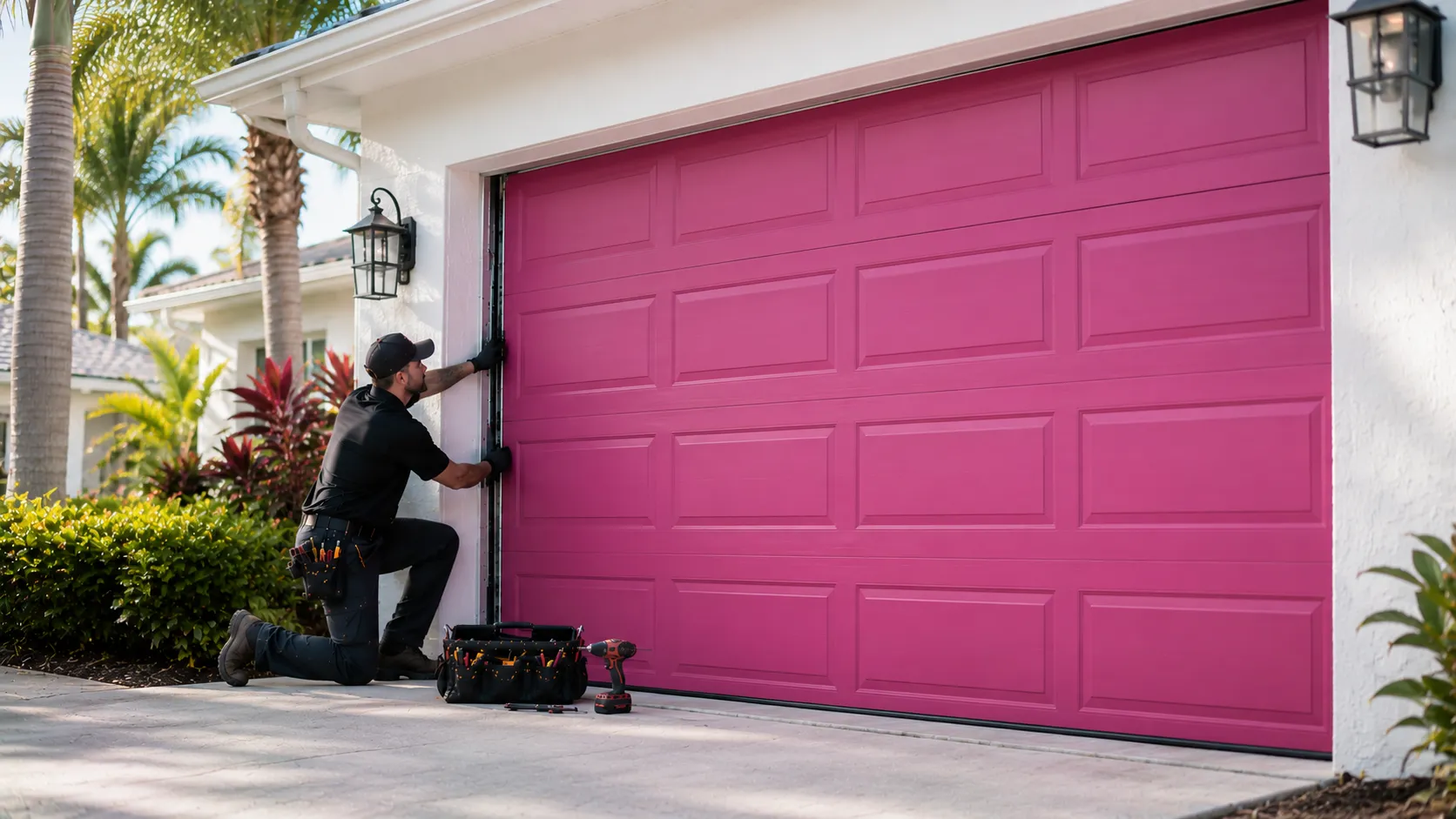
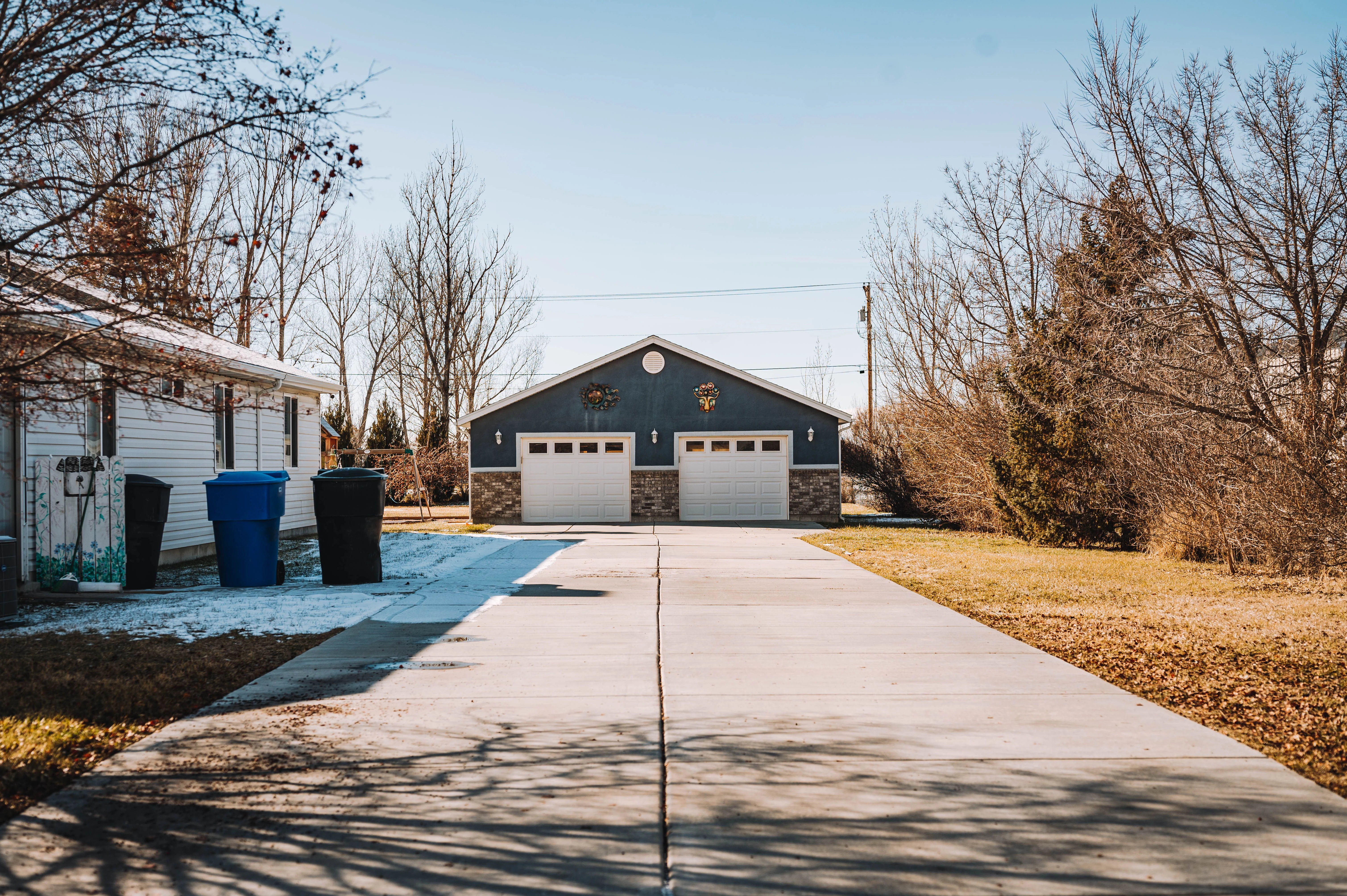
Start with the year the door went in, not the year the house was built. Most houses across this service area went up between 1958 and 2005, with the median landing around 1981, and a lot of the stock across the 22 named areas we cover is from the 1980s and 90s. That means a huge share of doors out there are original or close to it - steel or wood panel doors on torsion or extension springs that were standard for that build era.
Check the panels first. Surface rust and small dents are cosmetic. Panels that flex when you push on them, or seams that have separated, mean the door's structural skin is failing and no amount of hardware work fixes that.
Next check the track. If it's bent rather than just out of alignment, and especially if it's bent in more than one spot, that's usually a sign the door has been forced or hit, and a bent track will keep chewing up rollers no matter how many times you replace them.
Last, look at the springs. Original torsion springs on a house built in the early 1980s have had four decades of cycles. If yours are original, they're near the end of their rated life regardless of how they look.
The area
What the Weather Here Does to It
This is a cold-severe climate zone, and that changes what fails first on an older door. Cold makes steel springs more brittle and more likely to snap on a hard pull, especially on a door that hasn't been cycled or lubricated in years. It also stiffens nylon rollers and hardens old lubricant in the track, which is why a door that worked fine in September suddenly binds or groans once temperatures drop.
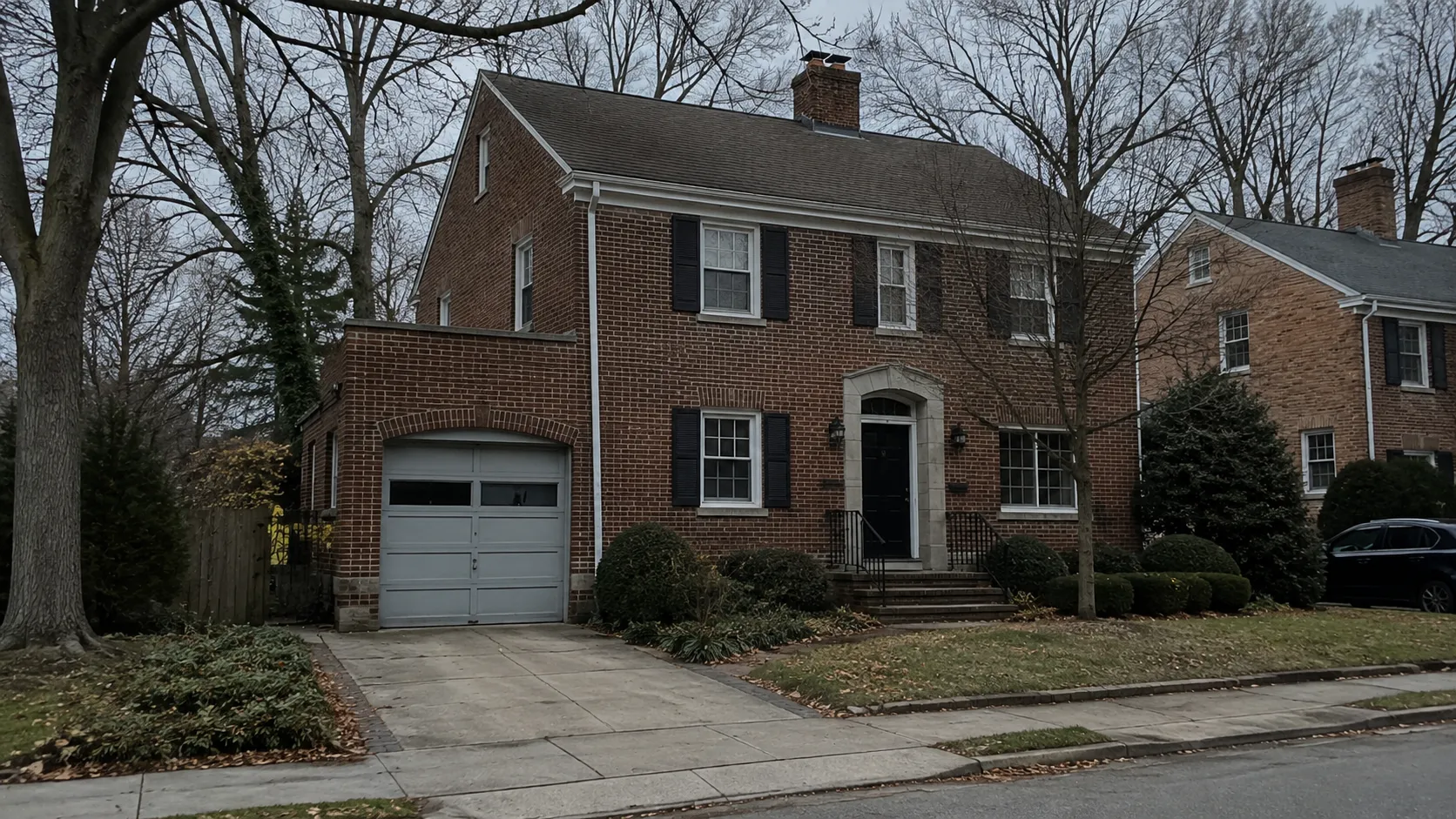
On doors built to the specs common in that 1958-2005 window, insulation was often minimal or absent. A single-layer steel door with no insulation doesn't just cost you on heating - the temperature swing between the garage and the door skin itself causes more expansion and contraction stress on old seams and panel joints than an insulated door sees.
Weatherstripping is the cheap fix that gets skipped. On an original door from that era, the bottom seal has usually hardened and cracked, letting in cold air and moisture that speeds up rust on the bottom panel and the bottom bracket - often the first place a 40-year-old steel door actually gives out.
What we find
What You Pay
I don't have exact pricing to quote here, and it depends heavily on whether you're replacing a spring, a section, or the whole door - those are different jobs with different parts and different labor. What I can tell you is how to think about the math.
A repair on a door that's structurally sound - springs, rollers, a cable, an opener - is almost always worth doing. That hardware is designed to be replaced; it's wear-and-tear equipment, not the door itself.
Where it stops making sense is when the door itself, the panels and frame, are the problem. Replacing two or three damaged panels on an original-era door usually means special-ordering or on a door old enough, it may not be available in a matching finish at all. At that point you're paying repair-plus-mismatch to keep a door that's already near the end of its service life anyway.
Median household income across this area runs around $92,450, and homeowners here tend to spend on repair when the hardware's the issue and move to replacement once the door itself is compromised - that's the practical line, not a hard rule.
How we work
The Situation
With roughly 50,703 owner-occupied houses among 107,476 households in this service area, and most of that stock dating to the 1958-2005 range, a lot of doors out there are hitting the point where hardware alone doesn't solve the problem anymore. If your door is original to a house built in the early 1980s median era, you're not looking at a fluke failure - you're looking at expected end-of-life wear on springs, rollers, and seals that were never meant to last this long.
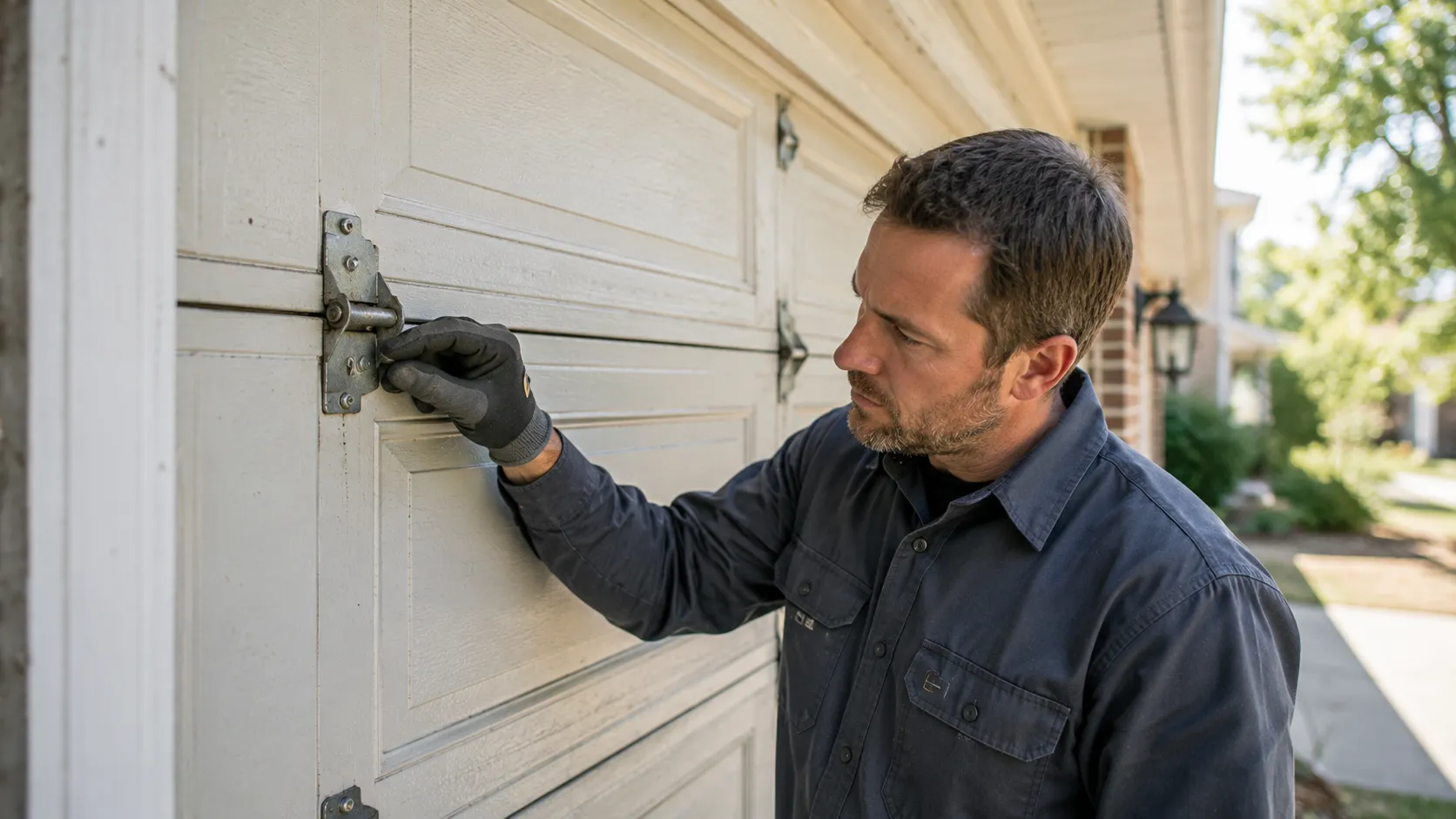
The honest answer is that I can't tell you which side of that line your door is on without seeing it. A door with sound panels and a stuck opener is a different job than a door with a cracked panel and a rusted-through bottom bracket. If you're not sure which one you've got, that's the first thing to figure out before spending money on either path.
Questions
Common questions
How old does a garage door have to be before it's not worth fixing?
Age alone doesn't decide it - condition does. A door from the early 1980s with sound panels and worn springs is worth fixing. The same age door with cracked panels, a rusted bottom bracket, or a bent track in multiple spots usually isn't, because you'd be paying repair costs on a door that's already failing structurally.
Why did my old garage door suddenly get harder to open in winter?
This area sits in a cold-severe climate zone, and cold stiffens old lubricant, hardens nylon rollers, and makes aging torsion springs more likely to bind or snap. A door that worked fine in warmer months often reveals age-related wear the moment temperatures drop.
Should I insulate an old uninsulated garage door instead of replacing it?
It depends on the door's condition. Many doors from the 1958-2005 building era went in with little or no insulation, and retrofitting can help with temperature swings. But if the panels or seams are already failing, insulating won't fix the structural issue - replacement makes more sense at that point.
Ready when you are
Need a garage door sorted in Aurora?
Aurora Garage Door Pros repairs and installs garage doors, springs and openers in Aurora, CO and the surrounding area.