
Guide
Old Doors, Cold Winters: What Aurora Homeowners Need to Know
Aurora homes built between 1958 and 2005 often carry doors with no rigid insulation. Here's what to check first, what cold does to those panels, and what replacement runs.
Local detail
What to Look At First
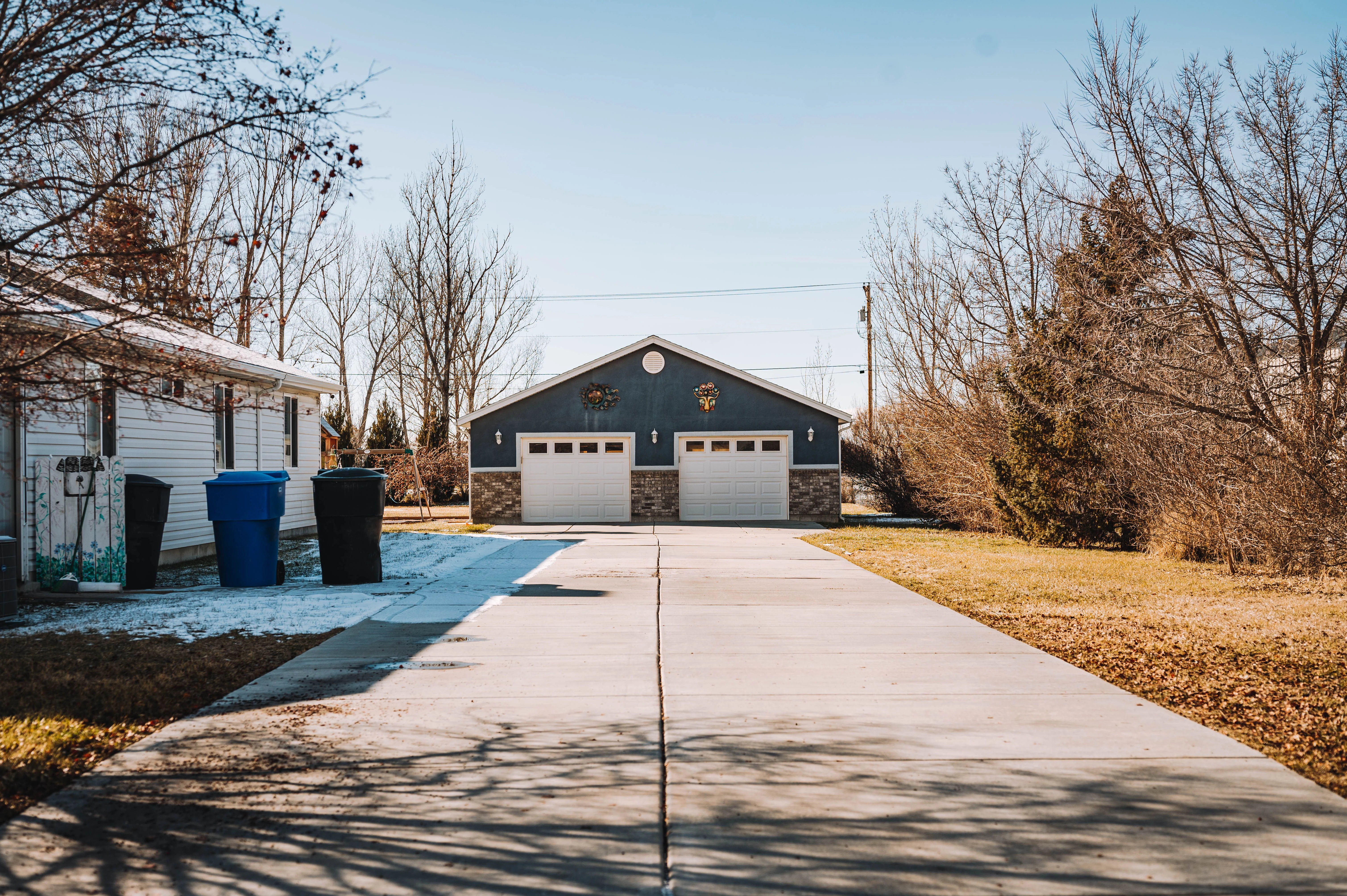
Most houses across Aurora's 22 named subdivisions went up between 1958 and 2005, with the median build year sitting around 1981. That matters because insulation requirements for garage doors weren't standard practice through most of that build-out - a lot of the stock from the 1980s and 90s left the factory with a single layer of steel and nothing behind it. If your house falls in that window, walk out and press a hand flat against the inside of the door panel on a cold morning. If it's the same temperature as the air outside, you've got an uninsulated door, plain and simple.
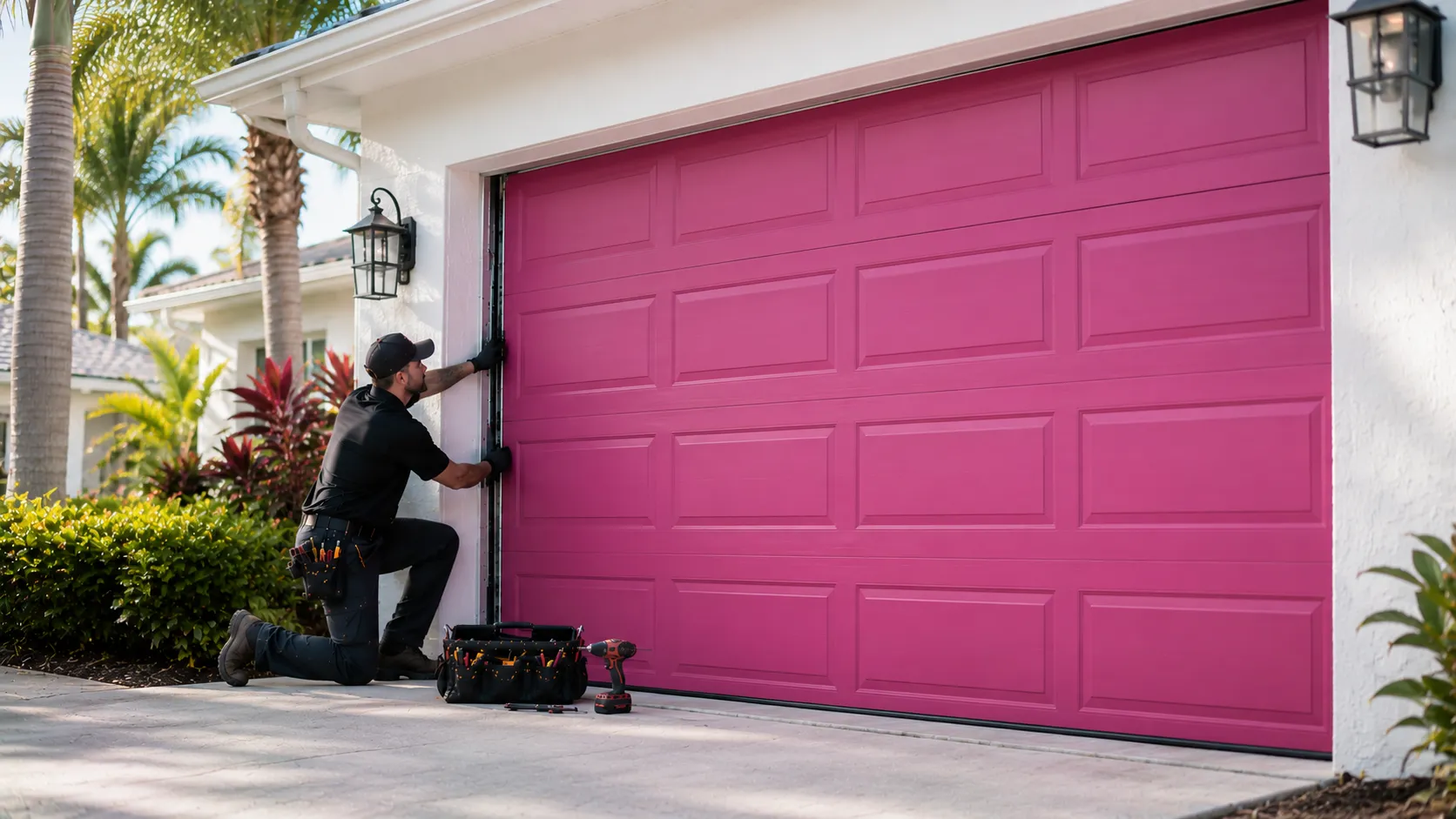
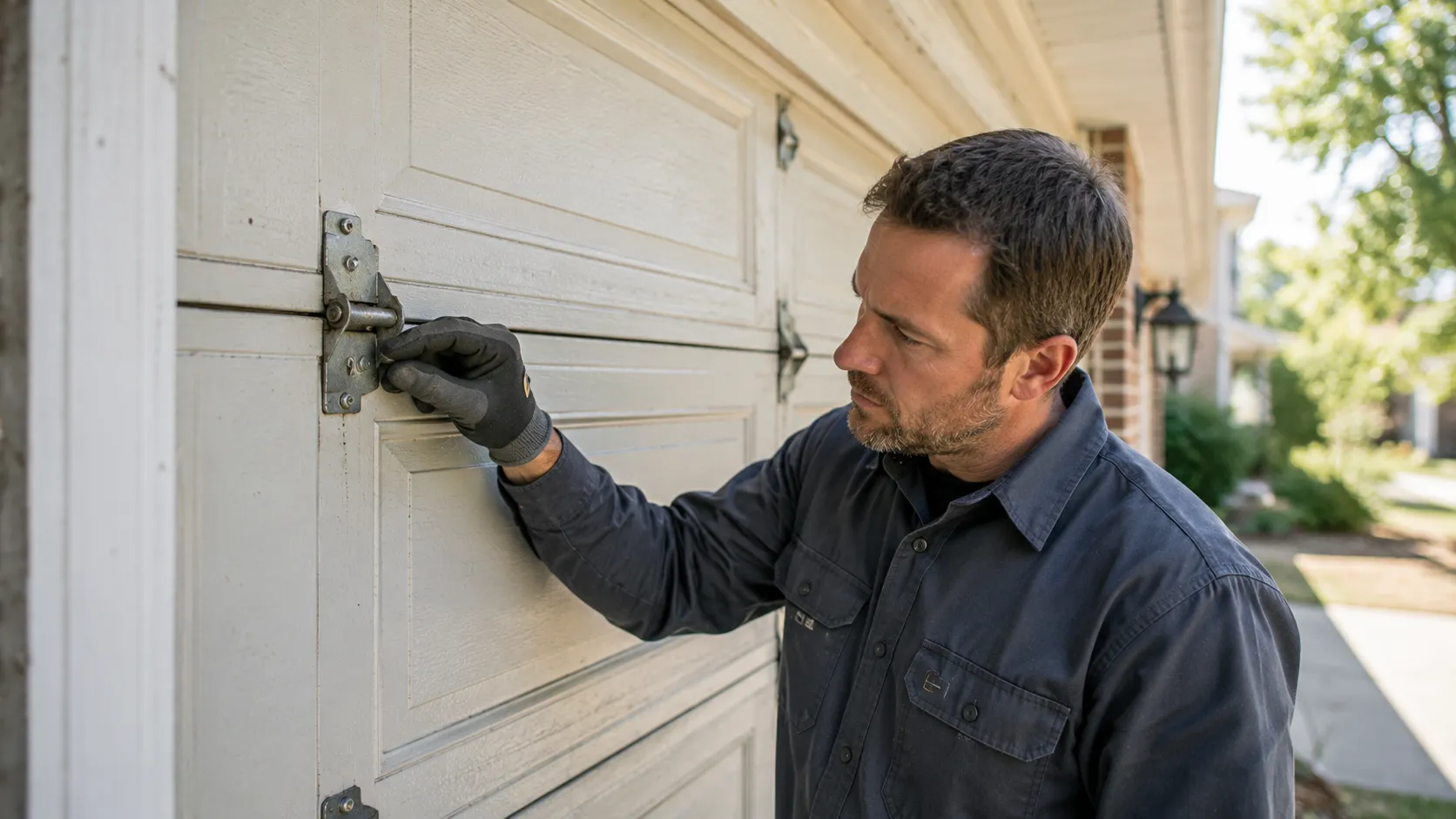
Check the bottom panel too - it takes the most moisture and road salt off the driveway and is usually the first place steel starts to bubble or rust from the inside out. Look at the hardware while you're there: hinges, rollers, and the torsion spring on original doors from this era are often the builder-grade parts that came standard, not upgrades, and they wear out faster than the door itself. None of this requires a call - it's a five-minute look with a flashlight.
The area
What the Weather Here Does to It
Aurora sits in a severe cold climate band, and an uninsulated steel door doesn't just let heat out - it moves. Steel contracts in hard cold and expands again once the sun hits it, and a single-layer panel from the 1980s or 90s does that every day of a cold snap. Over enough winters that flexing works the seams, loosens panel fasteners, and can throw a door slightly out of square in the track. You'll notice it as new noise: a rattle on the way up that wasn't there last year, or a spot where the door catches for a second before it clears the weatherstrip.
None of that means the opener is failing. It usually means the door itself, not the motor, is the part reacting to the season. A garage that isn't heated makes this worse, since there's nothing pushing back against the temperature swing from inside.
What we find
What You Pay
I don't have current pricing to quote here, and I'd rather say that than guess at a number that doesn't hold up by the time you call. What I can tell you is how to think about the decision. Aurora's median household income across the service area runs a bit above ninety thousand, which is worth knowing only because it puts a two-panel insulated replacement within reach for a lot of the households sitting on a 1980s door that's never been touched.
Repair makes sense when the springs or rollers are the problem and the panels are still square and rust-free. Replacement makes more sense once the steel itself is thin, dented past the point of holding its shape, or original to a house built well before insulation was standard - at that point you're paying to keep patching a door that was never built to hold heat in the first place.
How we work
The Situation
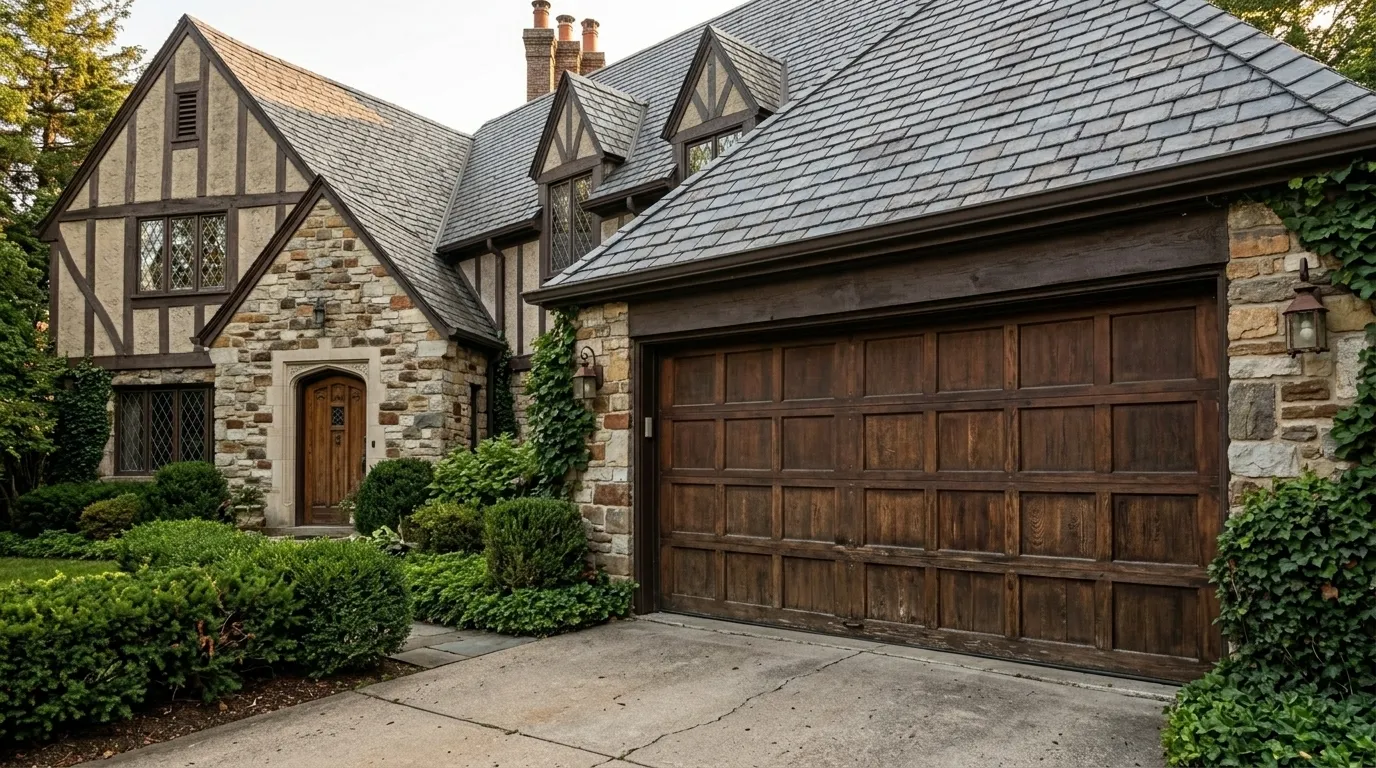
With roughly 50,700 owner-occupied houses across a service area built mostly between the late 1950s and the mid-2000s, a large share of Aurora's garage doors are original or close to it - builder-grade steel, no foam core, hung on hardware sized for a much milder assumption about winter than the one this area actually gets. That's not a defect in any one house. It's just what the era's building standards allowed.
The honest limitation here: I can't tell you from a distance whether your specific door is a repair or a replacement candidate - that's a look-in-person call, not a guess based on your house's age alone. What the numbers do tell you is that if you live in one of the neighborhoods that went up during that build window, you're not dealing with an unusual problem. You're dealing with the standard one for a house of that age in a cold climate, and it's worth checking the door before a hard cold snap finds the weak point for you.
Questions
Common questions
How do I know if my Aurora house has an insulated garage door?
Check the build year against the 1958 to 2005 range most of the area was built in, then look at the panel itself. Original steel doors from the 1980s and 90s in this area are usually a single layer with no foam backing. If the inside of the panel feels as cold as the outside air, it's uninsulated.
Does cold weather actually damage an uninsulated door, or just make it less efficient?
Both. Aurora's severe cold band puts steel through daily contraction and expansion, which over years can loosen panel seams and throw a door slightly out of square in the track. You'll usually notice it as new rattling or a catch point before you notice any energy loss.
Is it worth replacing an old door instead of fixing it?
Depends what's wrong. If it's springs, rollers, or hardware and the panels are still square and rust-free, repair usually makes sense. If the steel is thin, dented, or original to a house from before insulation was standard, you're often paying to maintain a door that was never built to hold heat.
Ready when you are
Need a garage door sorted in Aurora?
Aurora Garage Door Pros repairs and installs garage doors, springs and openers in Aurora, CO and the surrounding area.