
Guide
What Happens When We Show Up for a Garage Door Call in Aurora
In Aurora, most homes date to the 1958-2005 building boom, and our service calls check the parts that era of door hardware wears out first in this climate.
Local detail
What to Look At First
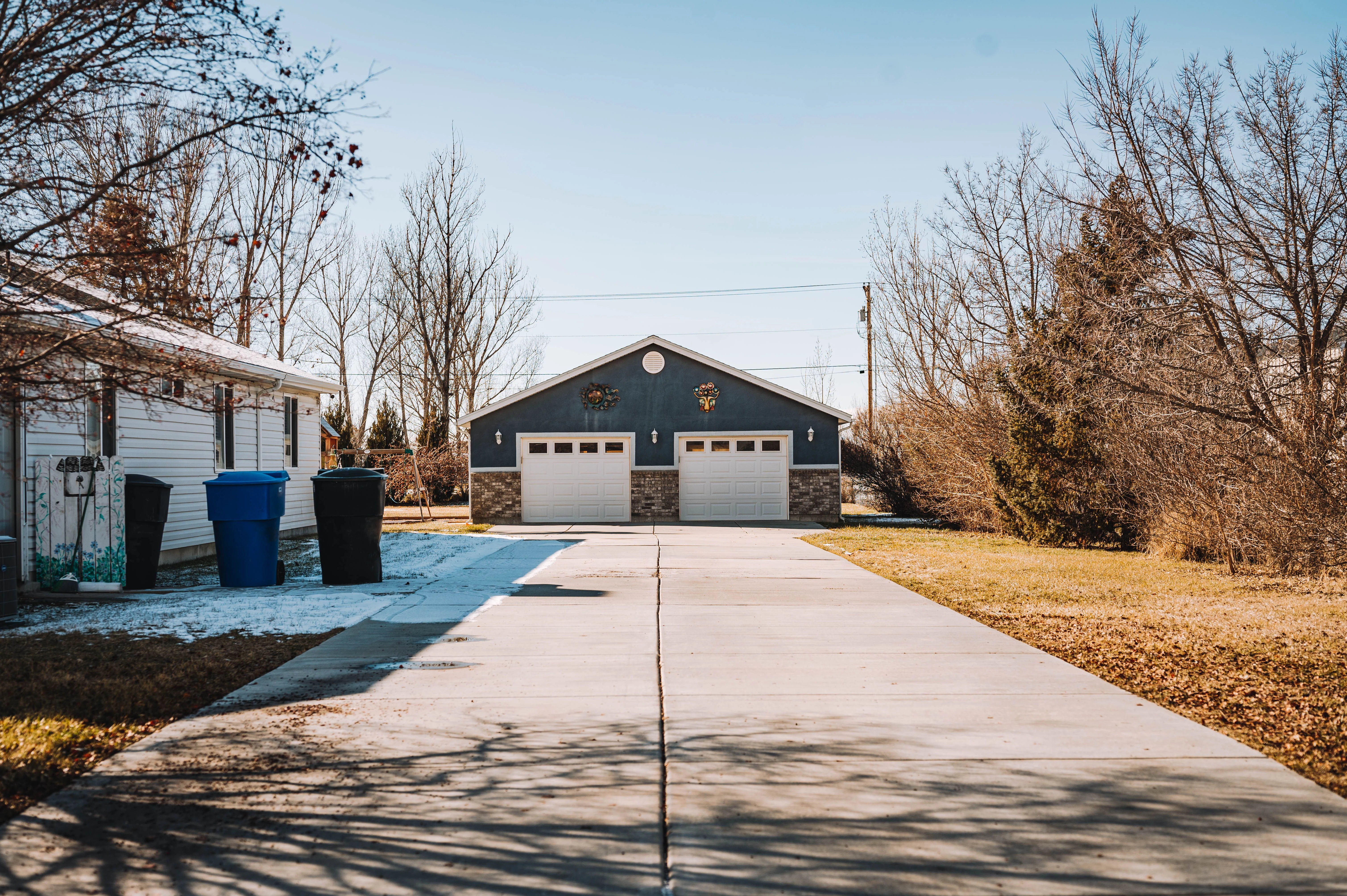
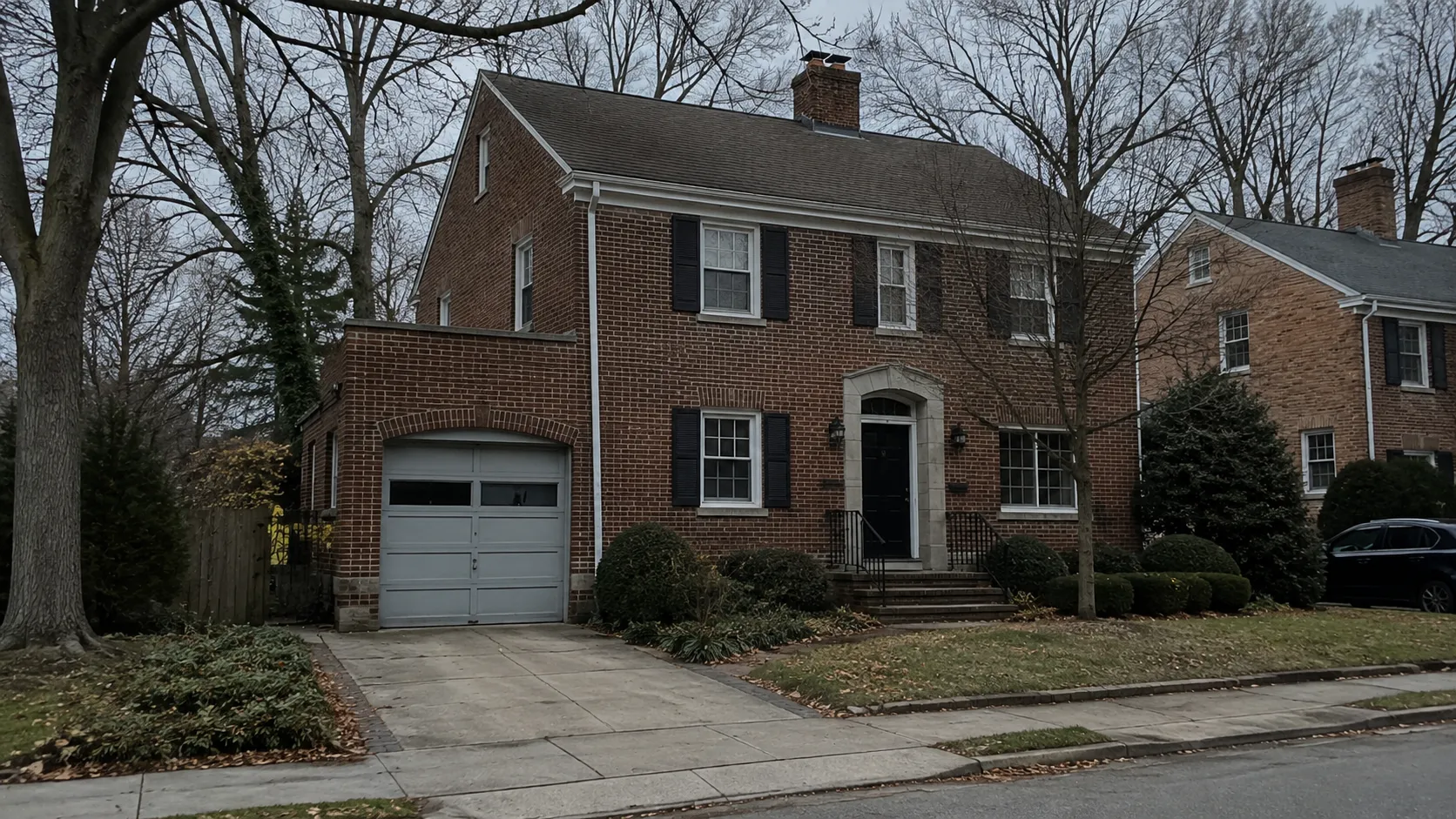
Most houses in this part of Aurora went up between 1958 and 2005, with the bulk of the stock dating to the 1980s and 90s across the area's 22 named neighborhoods. That range matters because it tells us what's probably behind the panel before we even open the truck. A door from the early end of that window is more likely to be a single steel panel on side-mounted torsion hardware. A door from the later end is more likely a sectional door on a center-mounted shaft with a belt or chain opener from that same decade.
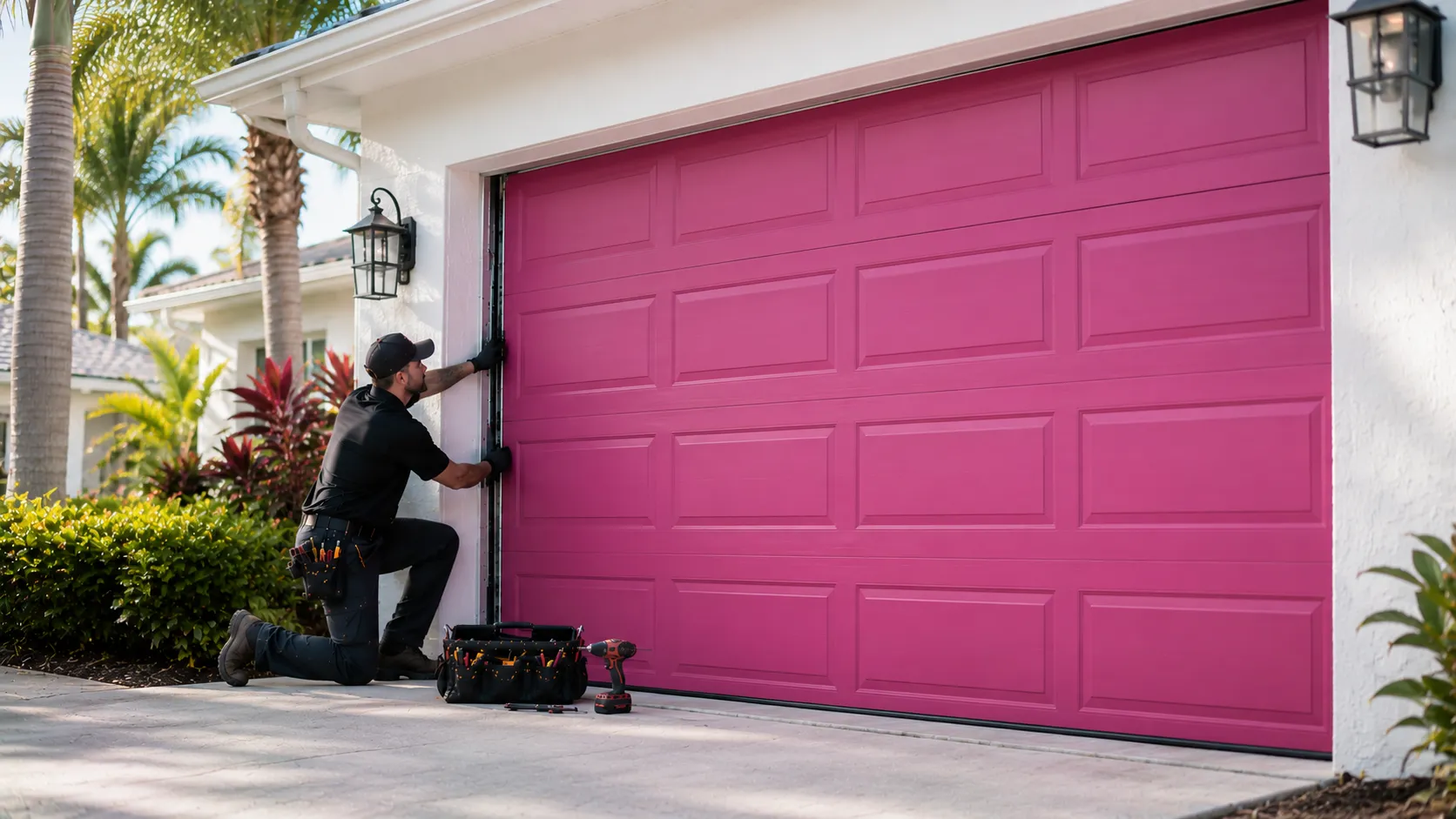
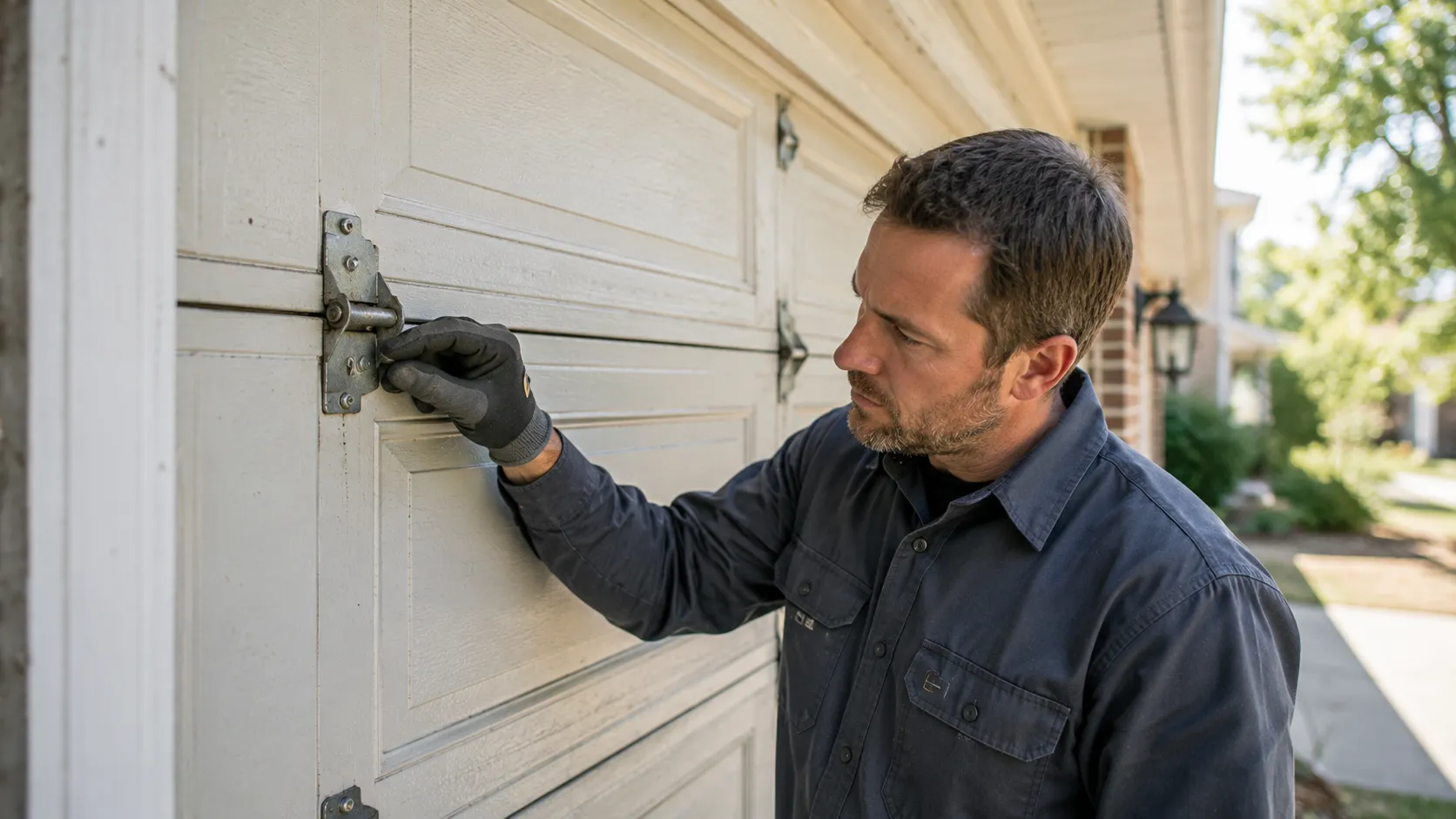
We start every call the same way: check the springs for wind and rust, check the cables for fraying at the drum, run the door by hand with the opener disconnected to feel for drag in the track, and check the rollers for cracking plastic or dry bearings. On a house built in that 1958-2005 window, we're also looking at whether the opener's safety reversal sensors were ever added or upgraded, since a lot of that stock predates the sensors being standard. None of this is guesswork - it's just where the failures actually show up on hardware of that age, and we've seen it across enough of these houses to know where to look first.
The area
What the Weather Here Does to It
Aurora sits in a climate band classified as cold and severe, and that changes what actually breaks. Steel torsion springs lose temper faster through repeated freeze-thaw cycling than they do from age alone, so a spring that looks fine in July can snap in January without much warning. Cold also stiffens the lubricant in older ball-bearing rollers and tightens metal-on-metal tolerances in the track, which is why a door that ran quiet in fall starts grinding once temperatures drop.
Weatherstripping is the other piece. On houses from the 1958-2005 stock, the bottom seal and side seals are often the original style, and cold makes that rubber crack and shrink rather than just wear thin. Once the seal fails, cold air gets under the door and the opener has to work against a heavier, colder panel every cycle, which shortens the life of the drive gear inside the opener housing. We check seal condition and spring tension together on a cold-climate call, because in this band they tend to fail on the same timeline.
What we find
What You Pay
We don't have a flat number to hand you here, because what a call costs depends on which decade your hardware is from and what actually failed - a spring swap on 1980s torsion hardware is a different job than replacing a chain-drive opener from the same era. What we can tell you is how we scope it: we diagnose first, price the parts and labor for what's actually broken, and tell you before we start work if the door is old enough that repair cost starts closing in on replacement cost.
One honest limitation: on some of the older doors from the earlier end of the 1958-2005 range, matching panels or original hardware isn't something we stock, and parts on that vintage sometimes take longer to source than a same-day fix. If your door falls into that category, we'll tell you that up front rather than stringing the job out. With a median household income of $92,450 across the service area, most homeowners here are in a position to compare a repair quote against replacement rather than deferring the decision, and we'll give you the numbers to do that.
How we work
The Situation
With 107,476 households in the service area and 50,703 of those owner-occupied houses, a lot of the calls we run are variations on the same handful of failures tied to that 1980s-90s construction wave. We work Aurora itself and run out toward the surrounding towns and areas - Watkins at eight miles, Foxfield at nine, Cherry Creek at ten, Glendale and Grand View Estates at twelve, and closer in, Buckley Space Force Base two miles west and Aurora Highlands three miles to the WSW.
The hardware you've got depends a lot on which pocket of that range your street was built in, and a house near Green Valley Ranch or Saddle Rock Ridge won't necessarily match one near Cherry Hills Village even though both fall inside the 1958-2005 window. That's part of why we look at the actual door on the actual house rather than quoting off an address alone.
Questions
Common questions
How old is a typical garage door in Aurora?
Housing in the service area was built mostly between 1958 and 2005, with the heaviest concentration in the 1980s and 90s. That means most doors we see are either original steel panel doors on side-mounted torsion springs or sectional doors from the later end of that range with center-mounted hardware and an opener from the same decade.
Why do springs break more in winter here?
Aurora's climate band is classified as cold and severe. Repeated freeze-thaw cycling fatigues torsion springs faster than steady mild weather would, so a spring that held up fine through summer can go without warning once temperatures drop through the winter months.
Do you stock parts for older doors?
Not always. Doors on the earlier end of the 1958-2005 building range sometimes use panel styles or hardware we don't keep on the truck, and sourcing an exact match can take longer than a same-day repair. We'll tell you that during the diagnosis, before any work starts, so it's your call whether to wait or replace.
Is it worth repairing an old door instead of replacing it?
It depends on what's broken and how old the door is. We diagnose first and give you a repair price against what replacement would run, and with median household income in the area at $92,450, most owners are in a position to weigh that decision rather than default to whichever is cheaper up front.
Ready when you are
Need a garage door sorted in Aurora?
Aurora Garage Door Pros repairs and installs garage doors, springs and openers in Aurora, CO and the surrounding area.