
Older Extension-Spring Systems
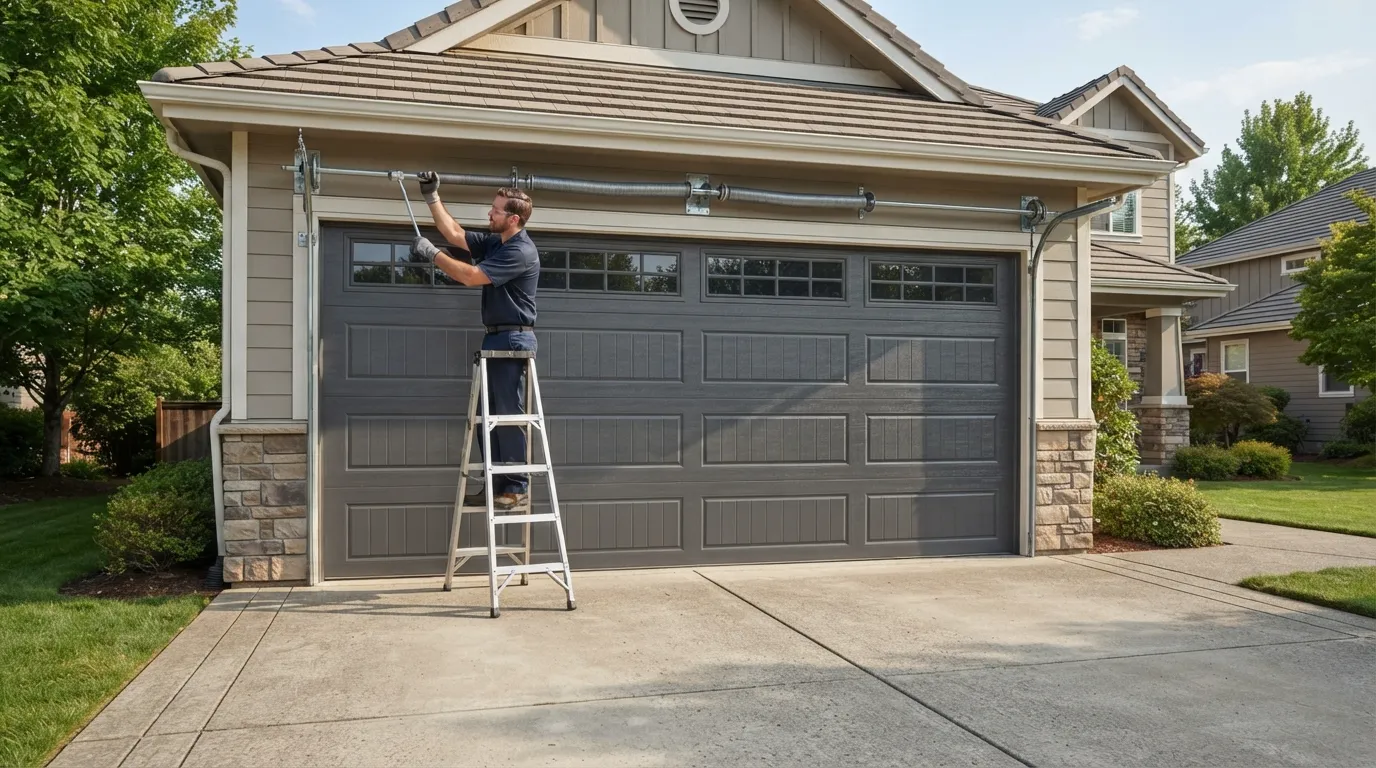
Some earlier garages can retain extension-spring configurations or other legacy lifting hardware that differs from later torsion systems.
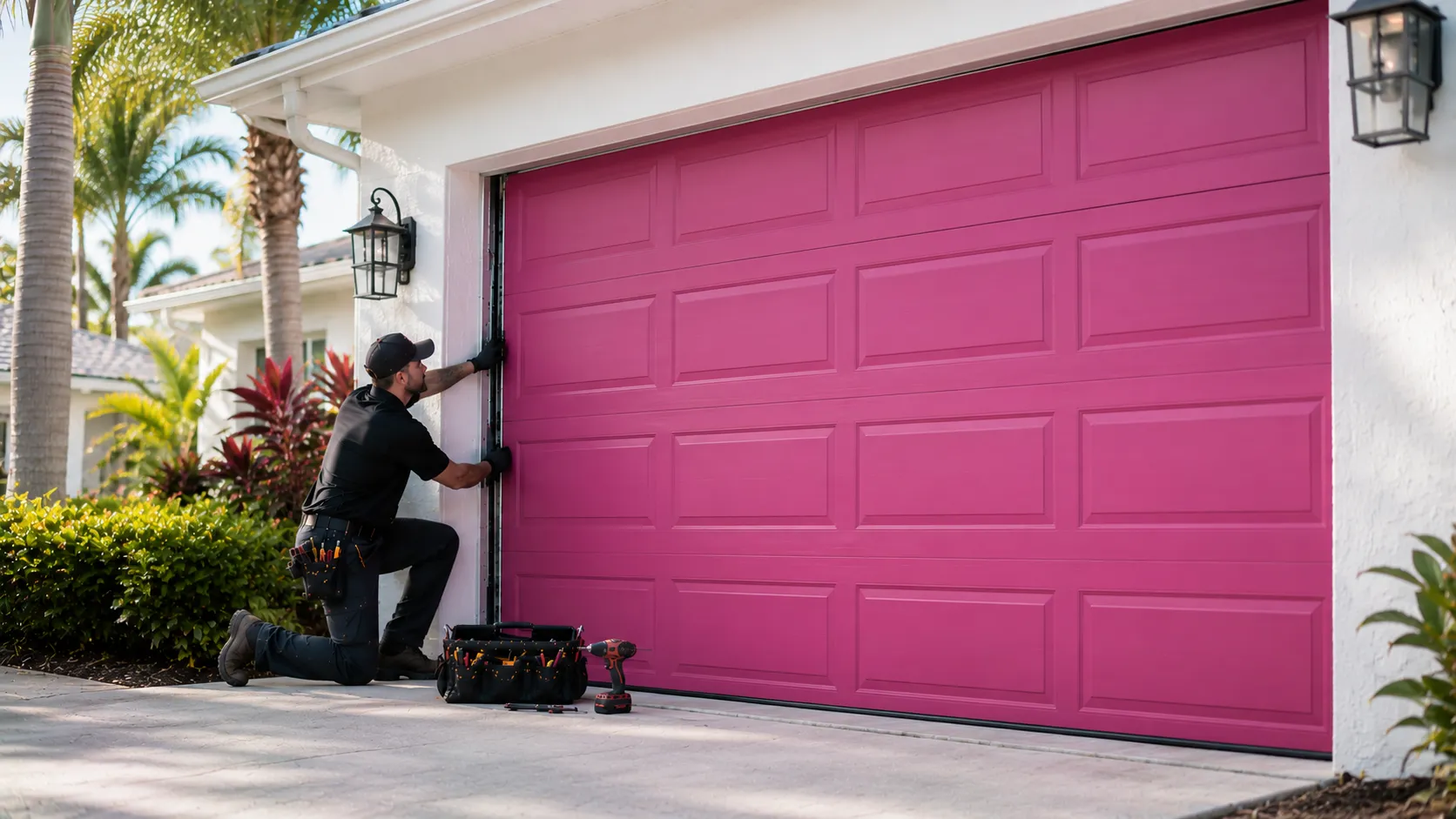
Local garage door service · Aurora, CO
Garage door repair and installation for Aurora homes built mostly between 1958 and 2005, covering cable repair, emergency service, off-track repair, opener installation, spring repair, and the residential garage door systems common across the area's 1980s- and 90s-heavy housing stock.
Garage door services
From cable and spring repair to emergency service, installation, off-track doors, opener installation, and general garage door service, the lineup is built around the systems found across Aurora's 1950s-through-2000s housing stock.
Clear repair guidance
There isn't one flat repair price, because Aurora's housing range includes several generations of garage door hardware.
A spring system on an early-1980s home can use different parts from a garage door installed in the 2000s, and older hardware can sometimes require additional sourcing.
Spring size, spring configuration, opener age, track condition, and parts availability can all change the repair scope.
We inspect the actual installed system before committing to a repair price rather than guessing from the house age alone.
If repair no longer makes practical sense compared with replacement, that comparison is discussed instead of continuing to patch an aging door.
Local housing matters
The broader source service area spans housing built from 1958 through 2005, with a median build year around 1981.
Much of the local stock comes from the 1980s and 90s, creating a mix of older extension-spring setups, later torsion systems, replacement openers, steel sectional doors, and multiple generations of repair hardware.
An older house may already have gone through one or more opener or spring replacements while retaining earlier tracks, brackets, cables, or panels.
Homes toward the newer end of the range are more likely to use parts that remain closer to current residential standards.
The build year provides useful context, but the correct repair still depends on the hardware actually installed today.
Multiple generations of garage doors
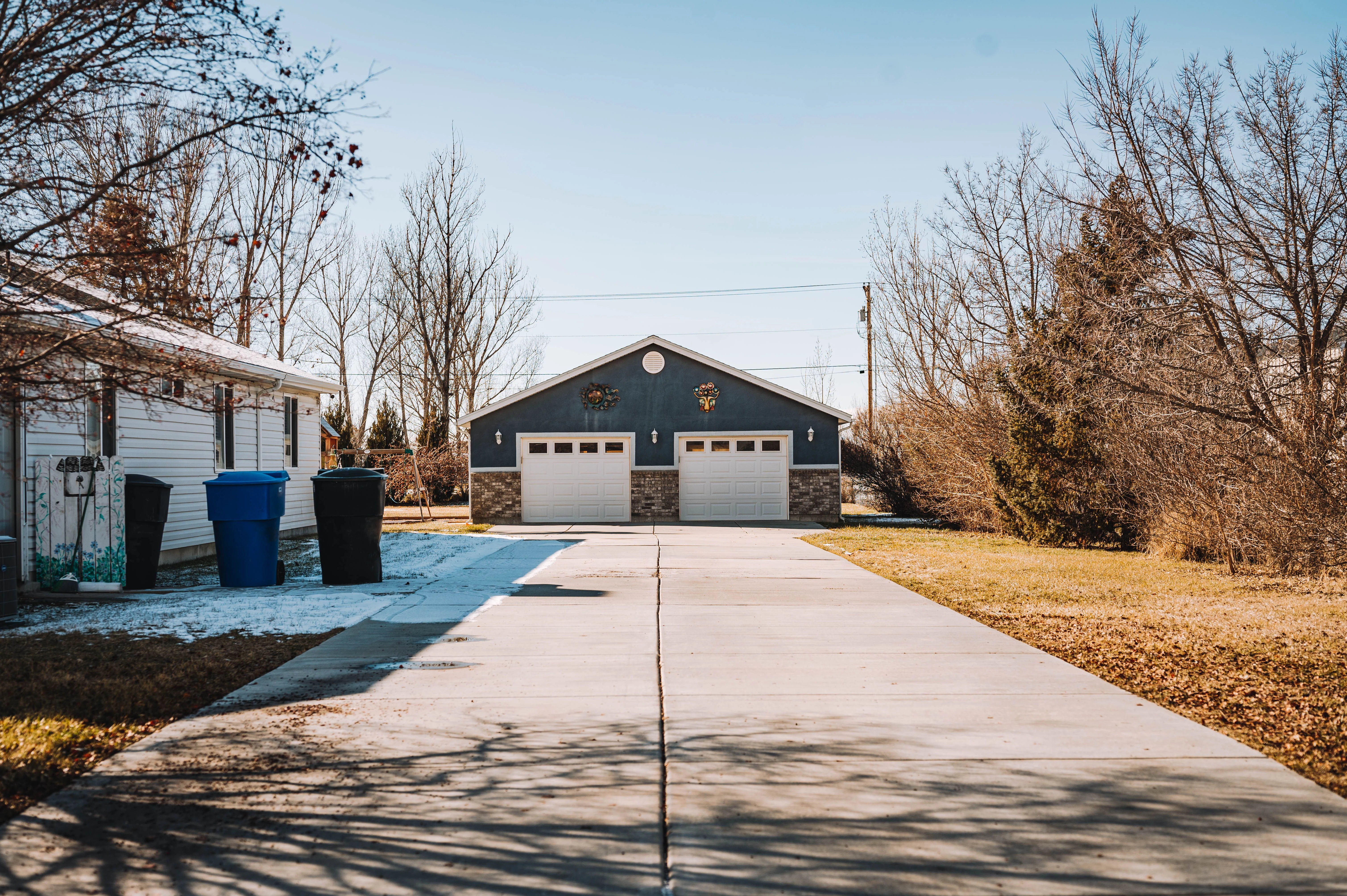
Homes spanning 1958 through 2005 create several generations of springs, drums, tracks, rollers, openers, panels, and replacement hardware across the same service area.
Some earlier garages can retain extension-spring configurations or other legacy lifting hardware that differs from later torsion systems.
Later residential doors commonly use torsion systems that need to be matched to the actual door weight and installed drums, not a generic spring.
Original or early replacement chain-drive openers can develop worn gears, motors, controls, or drive components as they age.
A decades-old garage door may combine newer springs or an updated opener with older tracks, panels, cables, or mounting hardware.
Cold-weather garage door wear
Aurora sits in a severe-cold climate, and winter conditions can make existing spring, roller, cable, track, seal, and opener problems far more noticeable as the door works against the cold.
Cold-weather operation can expose weakness in a spring that is already approaching the end of its useful cycle life, which is why springs often let go on the coldest mornings.
Older nylon rollers can become increasingly brittle, rough, or cracked as existing wear accumulates and the cold stiffens the hardware.
Existing cable wear or track alignment problems can become more noticeable when the door is already operating with additional winter resistance.
Older seals can stiffen or shrink and may no longer allow the door to seat as cleanly as it once did, letting in cold air.
Common Aurora garage door problems
Broken springs, brittle rollers, frayed cables, off-track doors, aging openers, and alignment problems make up much of the work across Aurora's older housing stock. Spring failures are a recurring cold-weather need on older systems, cable wear often appears where the lifting cable wraps around the drum, and older track and mounting configurations can make replacement less straightforward when an exact modern drop-in part is no longer available — though none of these automatically require a complete replacement.
Garage door springs eventually reach the end of their useful cycle life after years of repeated opening and closing, and cold weather often exposes an already-worn spring.
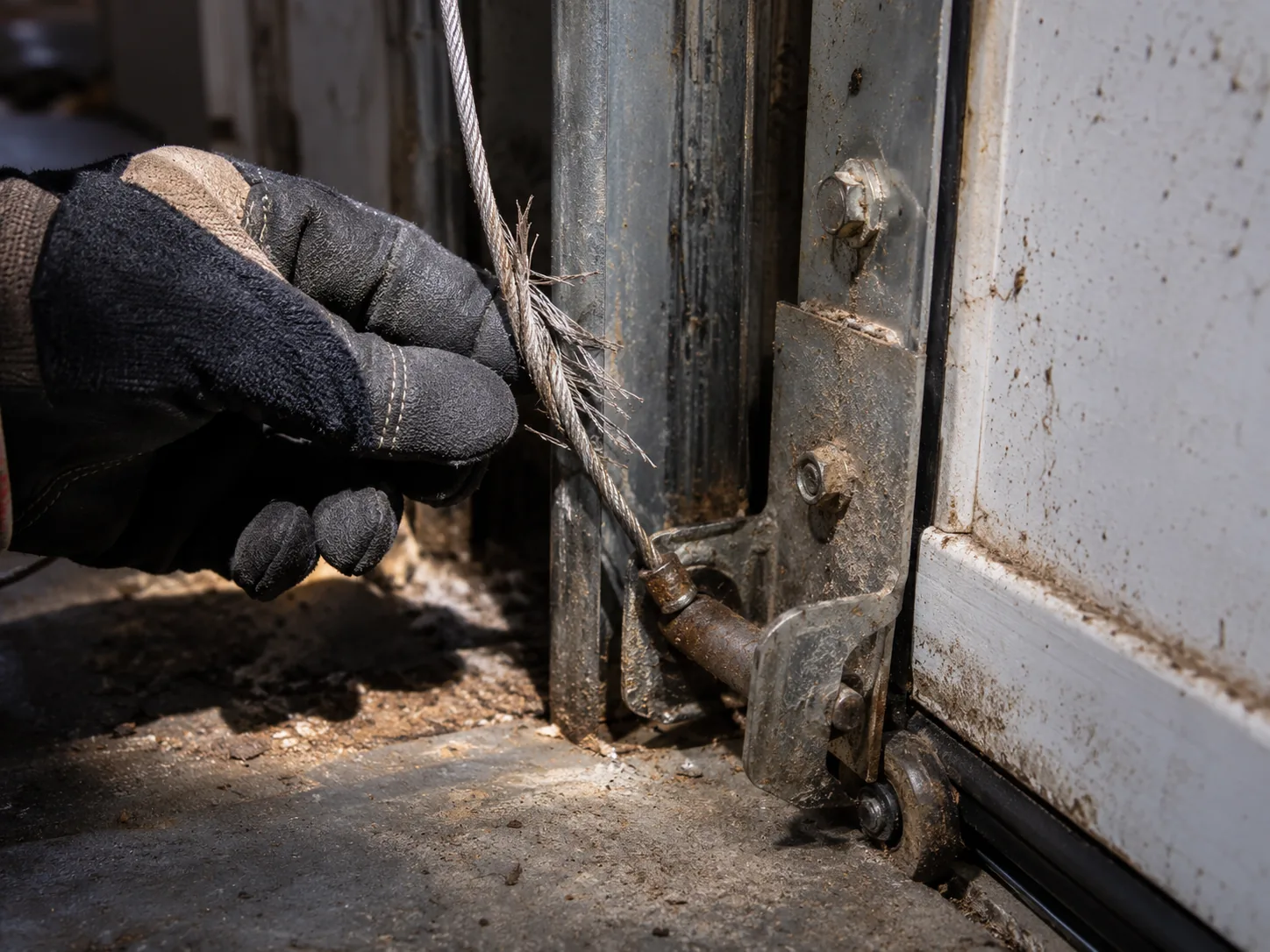
Cables can fray, loosen, slip, or fail after years of carrying repeated lifting loads, often showing wear where the cable wraps around the drum.
Older rollers can become noisy, brittle, cracked, or resistant as years of use accumulate, which puts extra strain on the opener.
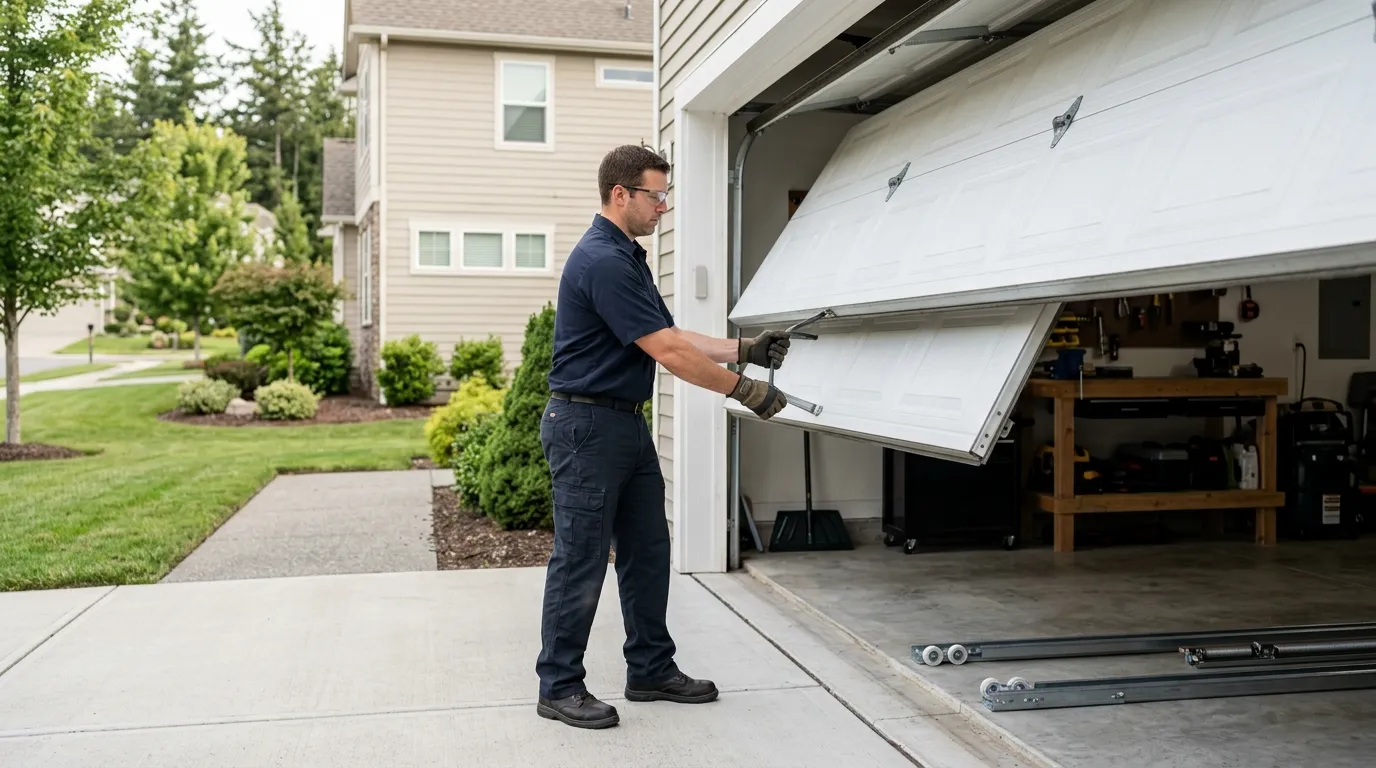
Cable problems, roller failures, impact, or alignment issues can leave a garage door crooked or outside its normal track path, so the fix addresses the cause.
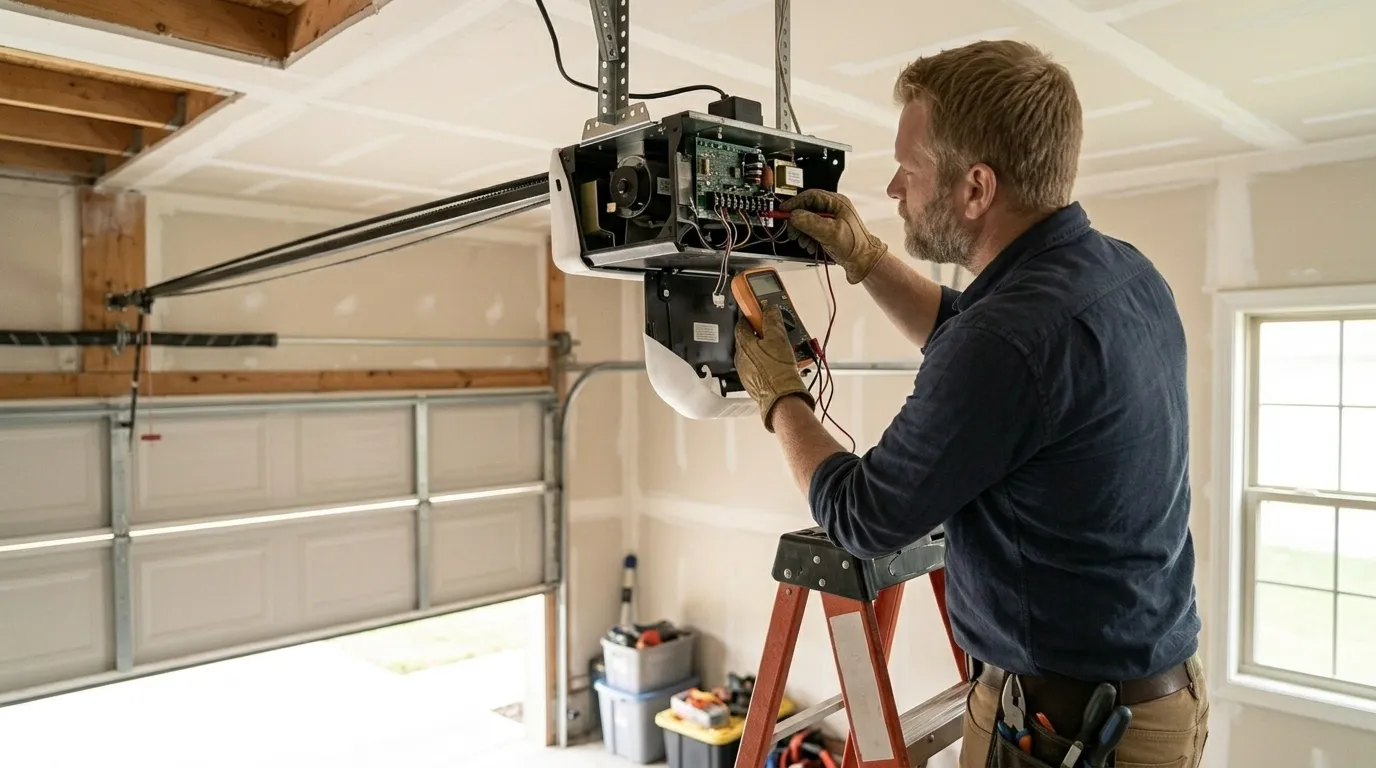
Older motors, gears, drive systems, sensors, and controls can develop faults after years of operation, particularly on original chain-drive units.
What to expect
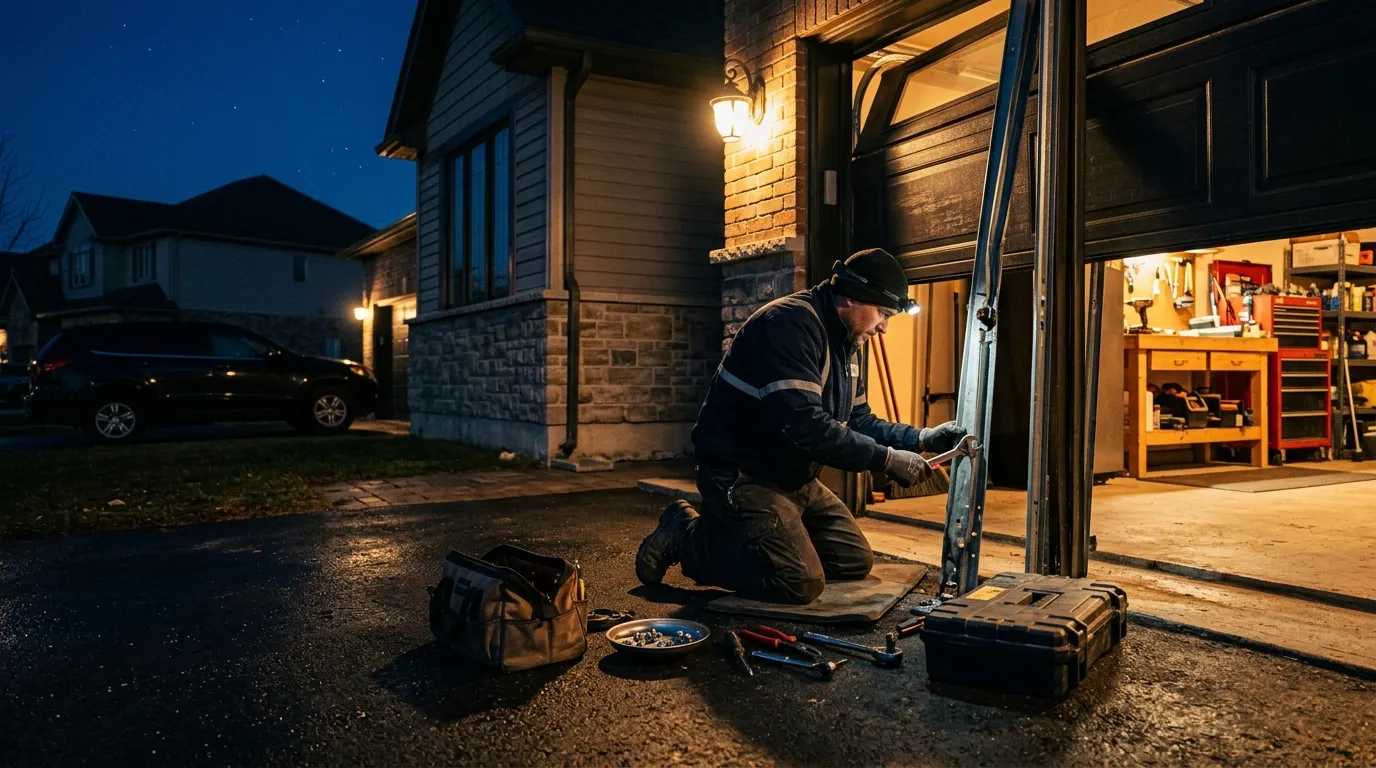
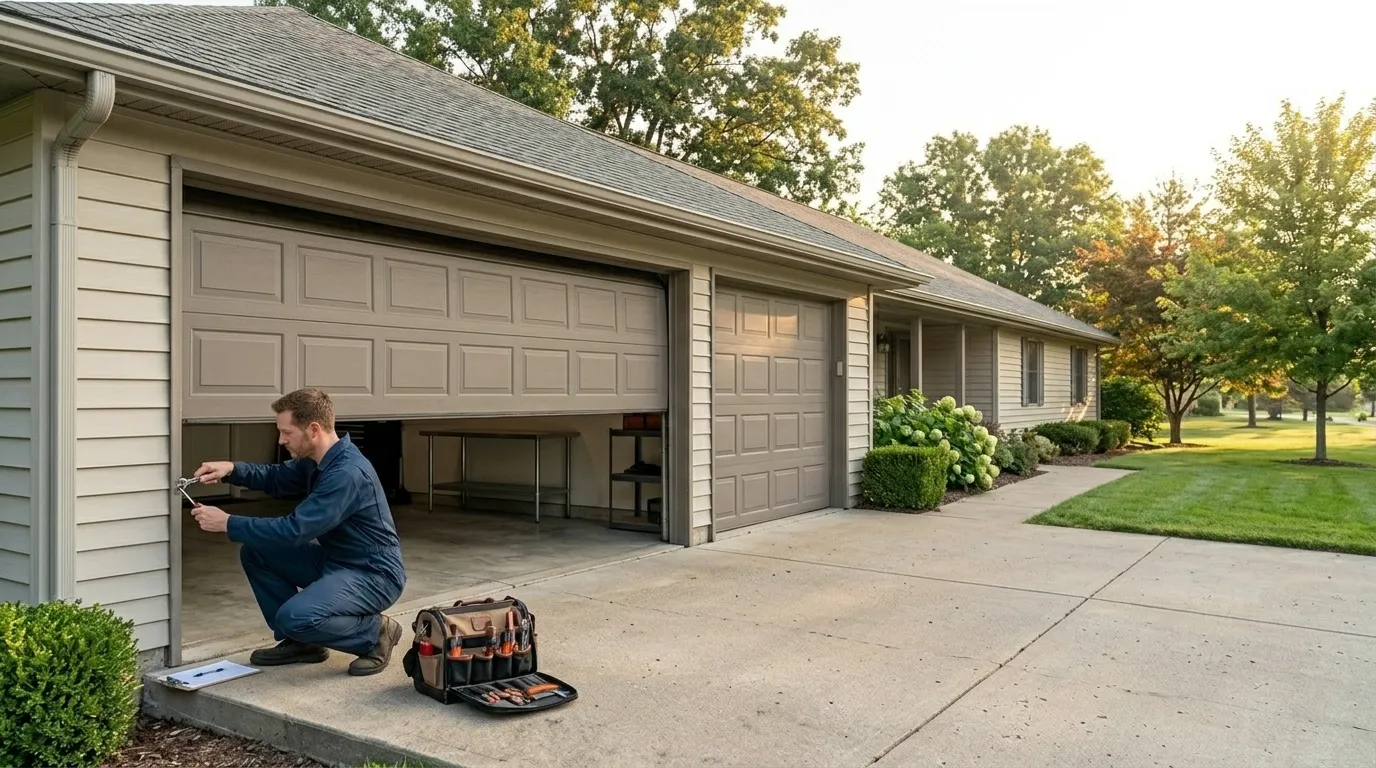
We run the door through its symptoms when conditions allow, inspect the installed hardware against what's actually there, and explain the real failure before setting the repair timeline.
We observe the door through a full operating cycle when conditions allow, so the actual behavior can be evaluated rather than guessed from a description.
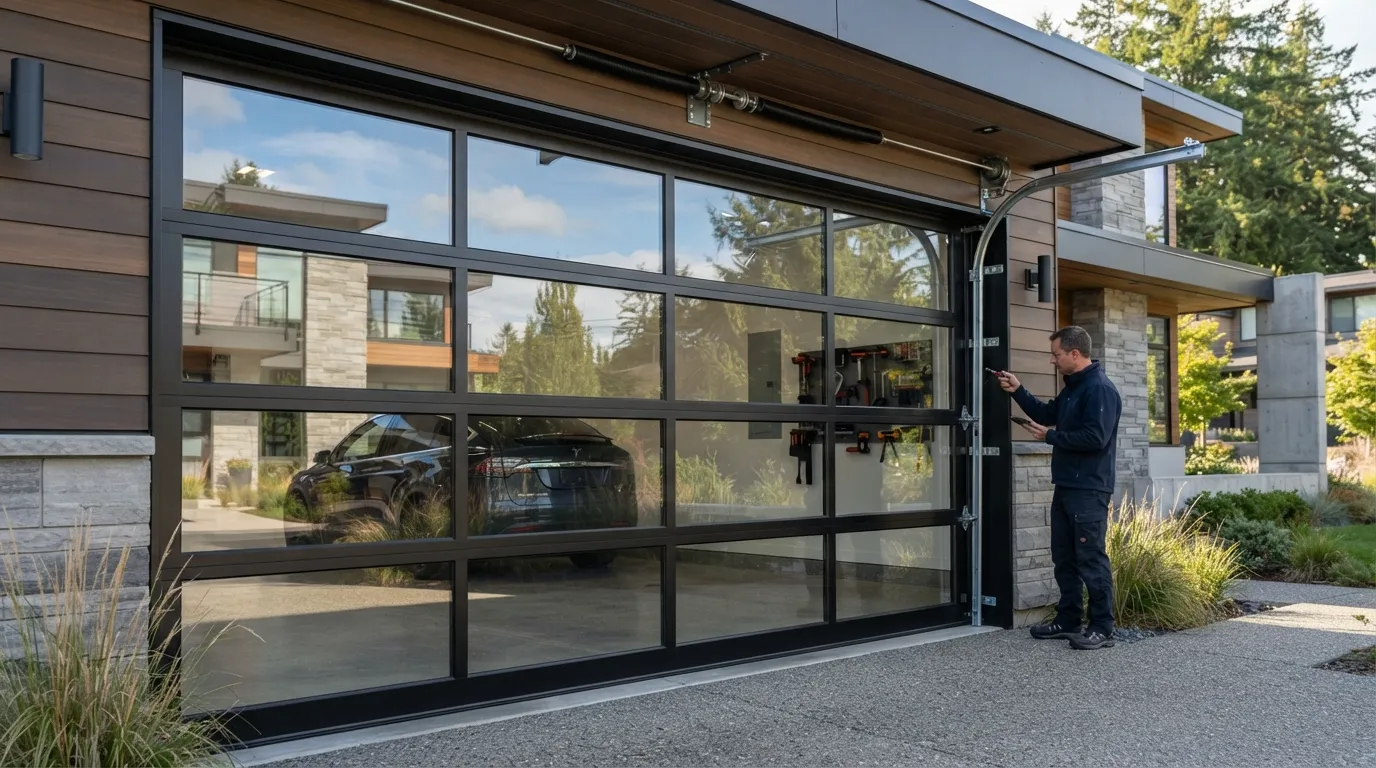
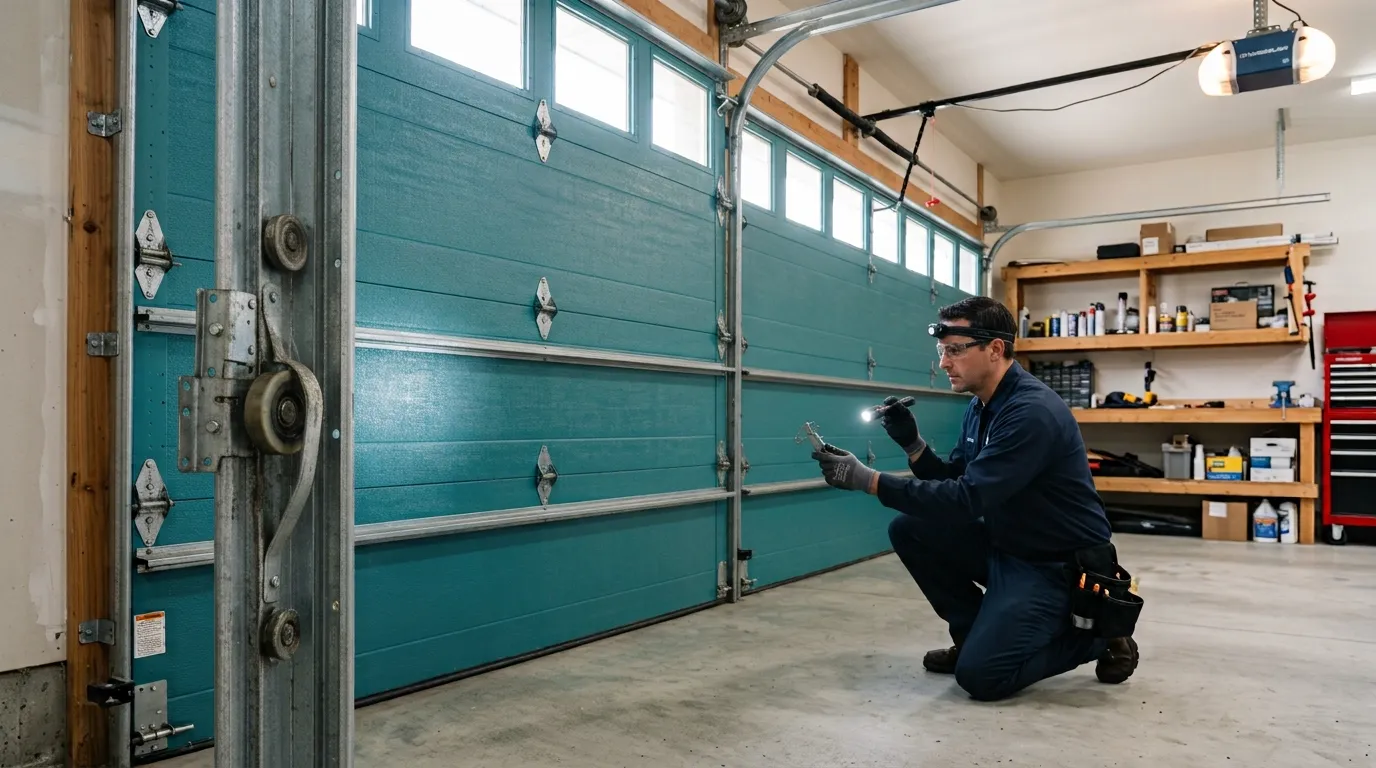
Spring wire, drums, cables, rollers, tracks, opener components, and alignment are checked against what is actually installed on your door.
We distinguish a simple roller, cable, sensor, or alignment problem from a system that needs a broader repair, and explain which one you're facing.
If an older spring or opener component isn't normal truck stock, that limitation is explained before the repair timeline is set.
Not Every Older Part Is a Direct Replacement
Some 1980s-era hardware is discontinued, so older configurations may require a compatible modern solution rather than an exact original component.
Repair or replace?
A broken spring, cable, roller, opener, sensor, or localized track issue does not automatically mean the complete garage door needs replacement. Replacement becomes more practical when the structure or several major systems are already failing together.
A targeted repair can make sense when the panels, tracks, rollers, opener, and surrounding hardware remain serviceable. One failed part is no reason to replace a sound door.
A small opener or sensor problem can remain an isolated repair when the rest of the door is operating correctly.
A track that has already been bent and corrected multiple times can become a poor candidate for another temporary adjustment.
When several major components are failing together, broader replacement can offer better long-term value than repeated individual repairs.
Built around Aurora garage doors
The correct repair depends on the springs, cables, rollers, tracks, opener, panels, drums, seals, and previous changes actually installed on the garage door today — not a generic national parts list.
Older spring wire, drum sizes, track widths, and mounting configurations can differ from newer residential systems, so the door is measured first.
A roller, cable, sensor, or alignment problem should remain a targeted repair when the surrounding door is sound.
When an exact older component is discontinued, the replacement needs to match the installed system rather than being forced into an incompatible setup.
If uncommon spring or opener hardware requires sourcing, the repair timeline should reflect actual availability rather than an optimistic guess.
Service areas
Questions
Torsion springs lose strength gradually through repeated cold cycles, and in this severe cold climate that decline speeds up. A spring that held through fall can give out the first hard freeze because metal fatigue and cold stiffness compound. It's rarely sudden damage - it's wear that finally reaches its limit on the coldest morning of the stretch.
Often not directly. Housing here runs from 1958 to 2005 with a lot of stock from the 80s and 90s, and hardware from that era is frequently discontinued. We check the actual wire gauge, drum size, and track width on site and adapt the mounting where needed instead of forcing a modern part onto an old track.
Yes. For this site, the configured surrounding service areas are Castle Pines, Commerce City, Northglenn, and The Pinery.
If the repair cost starts running past roughly half of what a new door costs, or the track has already been bent and straightened once, replacement usually makes more sense long-term. We'll tell you straight if we think you're better off not spending more on an older door.
Ready when you are
Tell us what the door is doing and we'll help you figure out whether you're dealing with a spring, cable, roller, track, off-track door, opener issue, emergency problem, or a system that's reached the point where replacement makes more sense.