
Guide
Garage Door Openers and Power Cuts in Aurora
Aurora homes built 1958-2005 run openers that struggle in cold-severe winters and grid outages. Here's what to check first and what actually needs a truck.
Local detail
What to Look At First
Before you call anyone, check the obvious. If the door won't move and the lights in the house are on, the opener itself may have died, not the power. Pull the red release cord and try the door by hand - if it moves smooth, the opener's motor, capacitor, or logic board is the problem, not your electrical service.
A lot of the openers still in service here went in when the house was built, and across this part of Aurora that means anywhere from 1958 to 2005, with the bulk of the stock going up through the 1980s and 90s. An opener from that era, especially a chain-drive unit without battery backup, is the first thing to suspect when a storm knocks the power out and the door won't budge afterward.
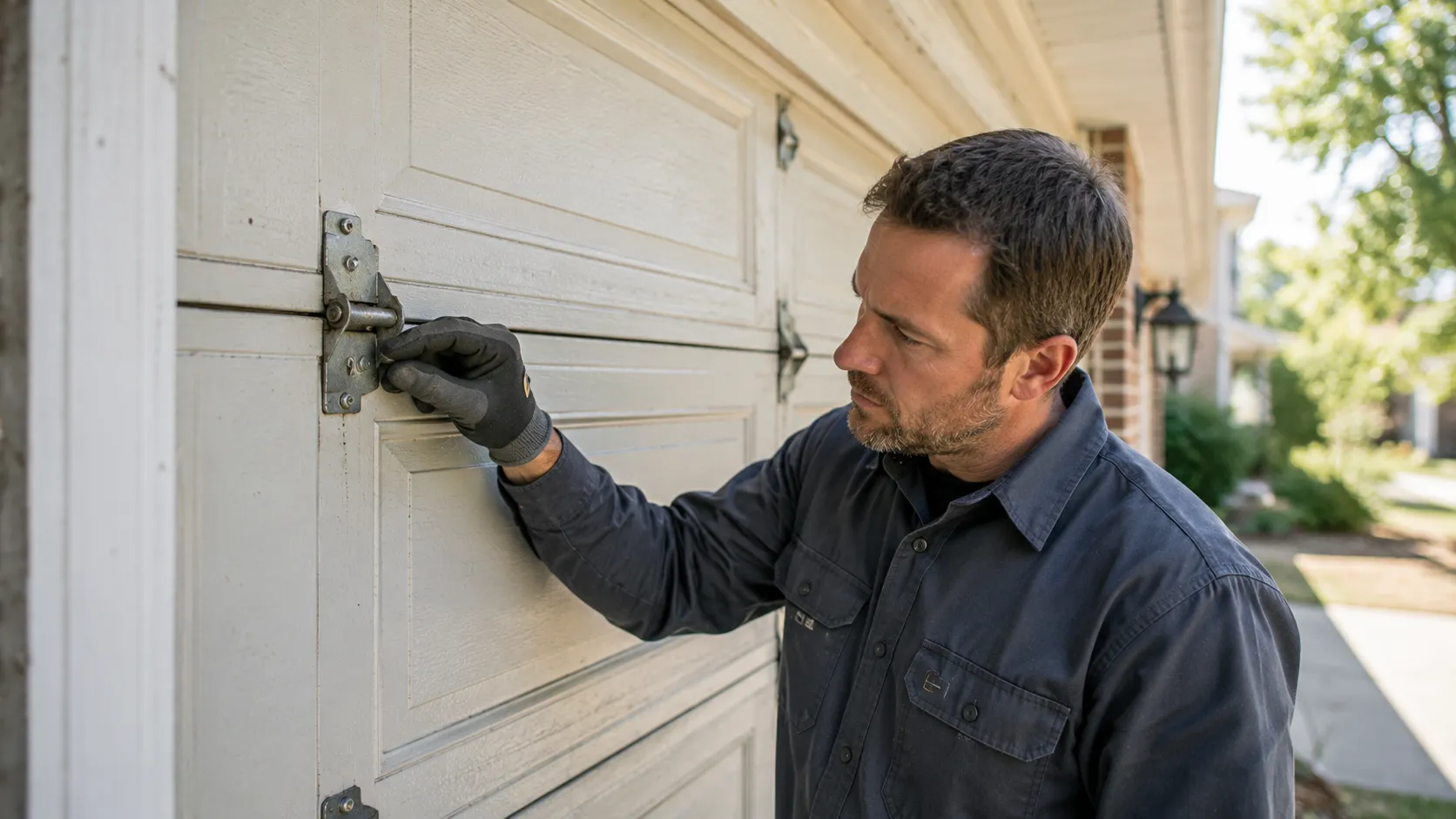
Check the wall switch too. On older units the switch itself corrodes or the wiring to it frays long before the motor gives out - that's a cheap fix, not a replacement. And look at the sensors near the floor: a knocked-out-of-alignment eye reads as a stuck door to a homeowner but costs nothing to fix once you know that's the issue.
We don't do panel or service-mast electrical work - if the outage traces back to your house wiring rather than the opener, that's an electrician's call, not ours.
The area
What the Weather Here Does to It
Aurora sits in a cold-severe climate band, and that matters more for openers than most people think. Cold makes chain-drive units bind and belt-drive units stretch slightly, so a door that opened fine in September starts hesitating or reversing on its own by January. Add a power cut during a winter system rolling through, and a garage with no manual release habit is a garage nobody can get into or out of.
Houses built in the 1958-2005 range that this area covers were mostly wired for openers without battery backup as standard. That's not a defect, it's just when they were built. When the grid drops during a cold snap, those units go dead with the door wherever it happened to be sitting - which is why knowing where the manual release cord is, and testing it once a year, matters more here than in a place with a milder climate.
We don't stock every belt or chain assembly for every era of opener on the shelf - parts for units from the earlier end of that housing range sometimes take a few days to source, and we tell customers that up front rather than promise same-day on something we don't have in the truck.
What we find
What You Pay
We don't post a flat number here because what you pay depends on what's actually wrong - a fried circuit board on an opener from a house built in the 80s costs a lot less to fix than a full unit swap, and a battery backup add-on is a different job than either.
Median household income across this service area runs $92,450, and that shapes a decision homeowners here make often: patch an aging chain-drive opener one more time, or replace it outright with a unit that has battery backup built in so the next power cut doesn't strand the door. Neither choice is wrong - it depends on how old the unit already is and whether it's failed once or three times.
With 50,703 owner-occupied houses across this area, most on the older side of the 1958-2005 build range, we see the same pattern a lot: an opener original to the house finally gives out somewhere around year 25 to 35. At that point patch work starts costing close to what a new unit runs, and that's the point we tell people to stop patching.
How we work
The Situation
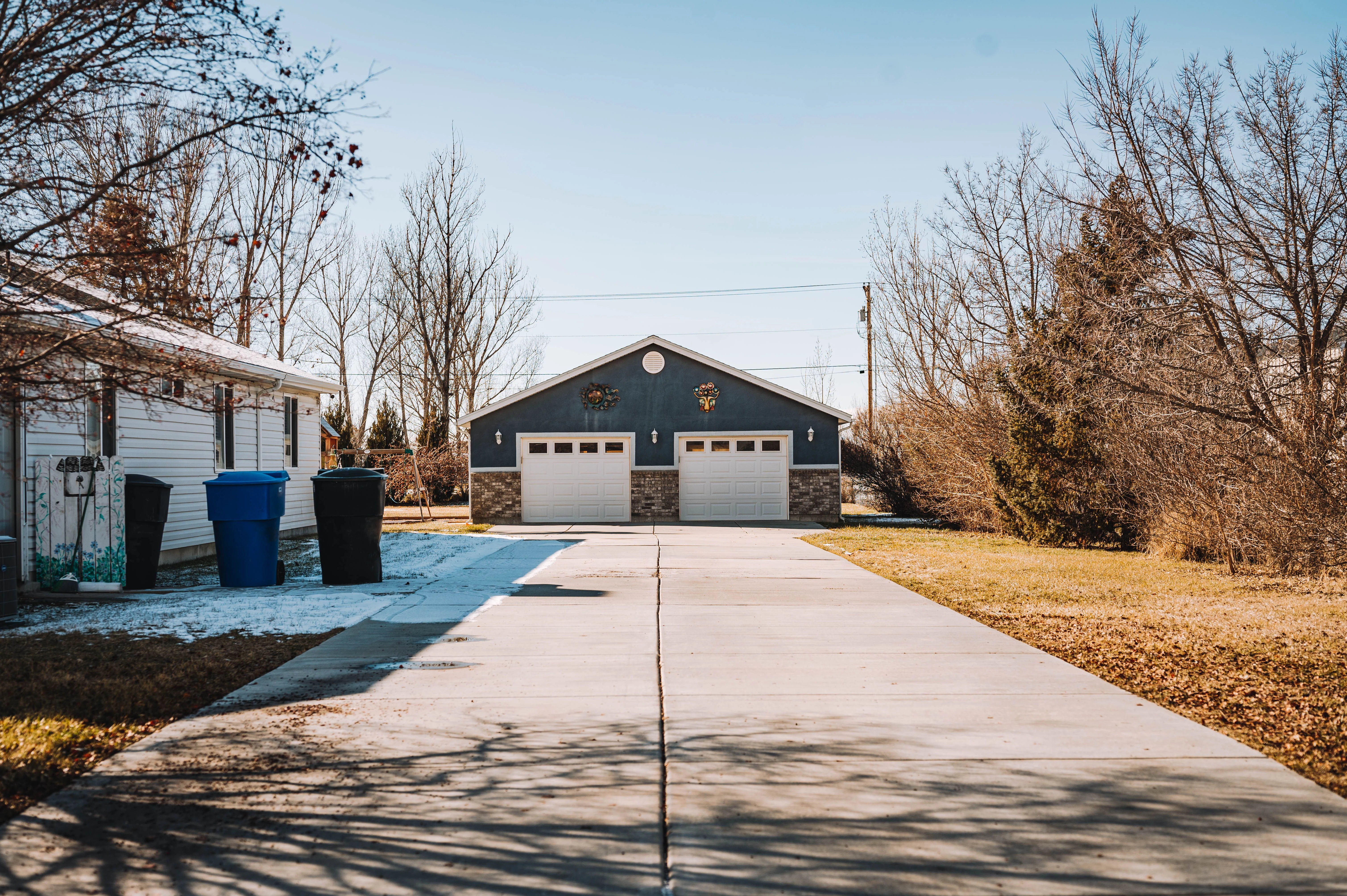
We cover ground from Watkins, 8 miles out, to Northglenn, 20 miles out, with closer calls in Aurora Highlands, 3 miles WSW, and Green Valley Ranch, 6 miles NNW. Buckley Space Force Base sits just 2 miles west of the areas we run most often, and that whole stretch shares the same housing stock - built mostly in the 1980s and 90s, with some homes going back to 1958 and some as recent as 2005.
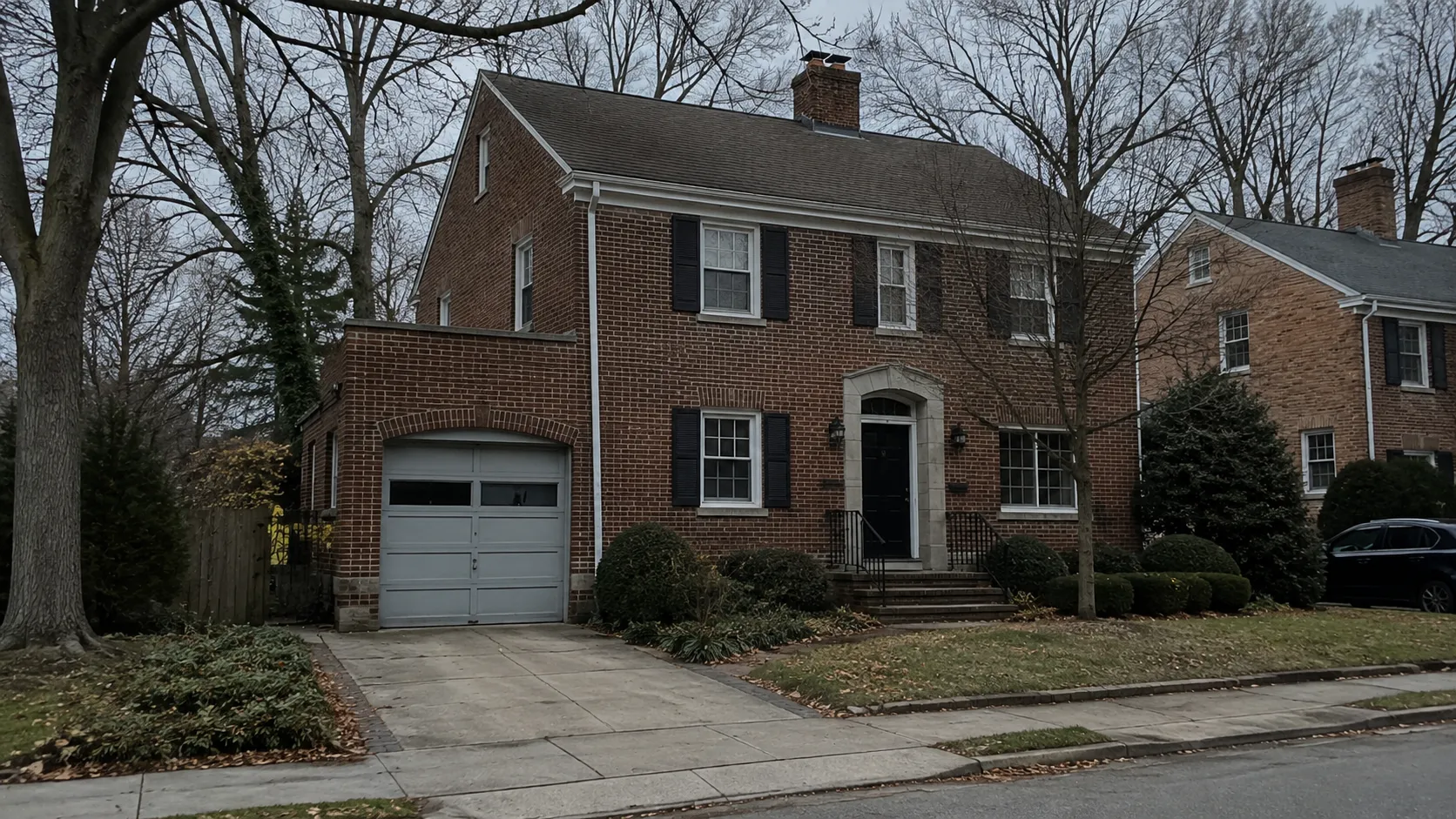
That age spread means we're just as likely to be pulling a board off a 1990s belt-drive unit as we are chasing down a corroded wall switch on something original to a 1960s build. Across 107,476 households in this service area, the openers in service span that same range, and a cold-severe winter treats all of them the same way: it finds whatever was already marginal and finishes it off.
We don't try to make every job a same-day job. If a part for an older unit needs to be ordered, we say so, and we'd rather tell you that on the phone than after we've already opened up the housing.
Questions
Common questions
Why did my garage door opener die the same night the power went out?
Most openers built for houses in this area - 1958 to 2005 stock - don't have battery backup as standard. When the grid drops, the opener goes dead wherever the door happened to be. If it hasn't had backup added, that's expected, not a sign the unit itself failed.
Is it worth adding battery backup to an older opener?
Usually yes if the unit is otherwise healthy - a backup pack can be added to most chain and belt drives without replacing the whole opener. If the opener itself is near the end of its life, though, it often makes more sense to replace the unit and get backup built in.
How do I open the garage door by hand during an outage?
Pull the red release cord hanging from the trolley - it disconnects the door from the opener carriage so you can lift it manually. Test this once before you actually need it in a storm; a cord that's never been pulled sometimes sticks.
Ready when you are
Need a garage door sorted in Aurora?
Aurora Garage Door Pros repairs and installs garage doors, springs and openers in Aurora, CO and the surrounding area.