
Guide
Sealing Out the Cold: Garage Door Weather Seals in Aurora
Aurora homes built mostly 1958-2005 carry original weather seals into a severe cold climate. Here's what to check first and what winter actually does to them.
Local detail
What to Look At First
Start at the bottom seal, the rubber strip that runs along the floor of the door. In this part of Aurora, most houses went up between 1958 and 2005, with the median landing around 1981, so a big share of the doors and seals still in place are original or close to it. Rubber that old is usually hard, cracked, or flattened on one side from years of the door rolling over the same spot on the slab.
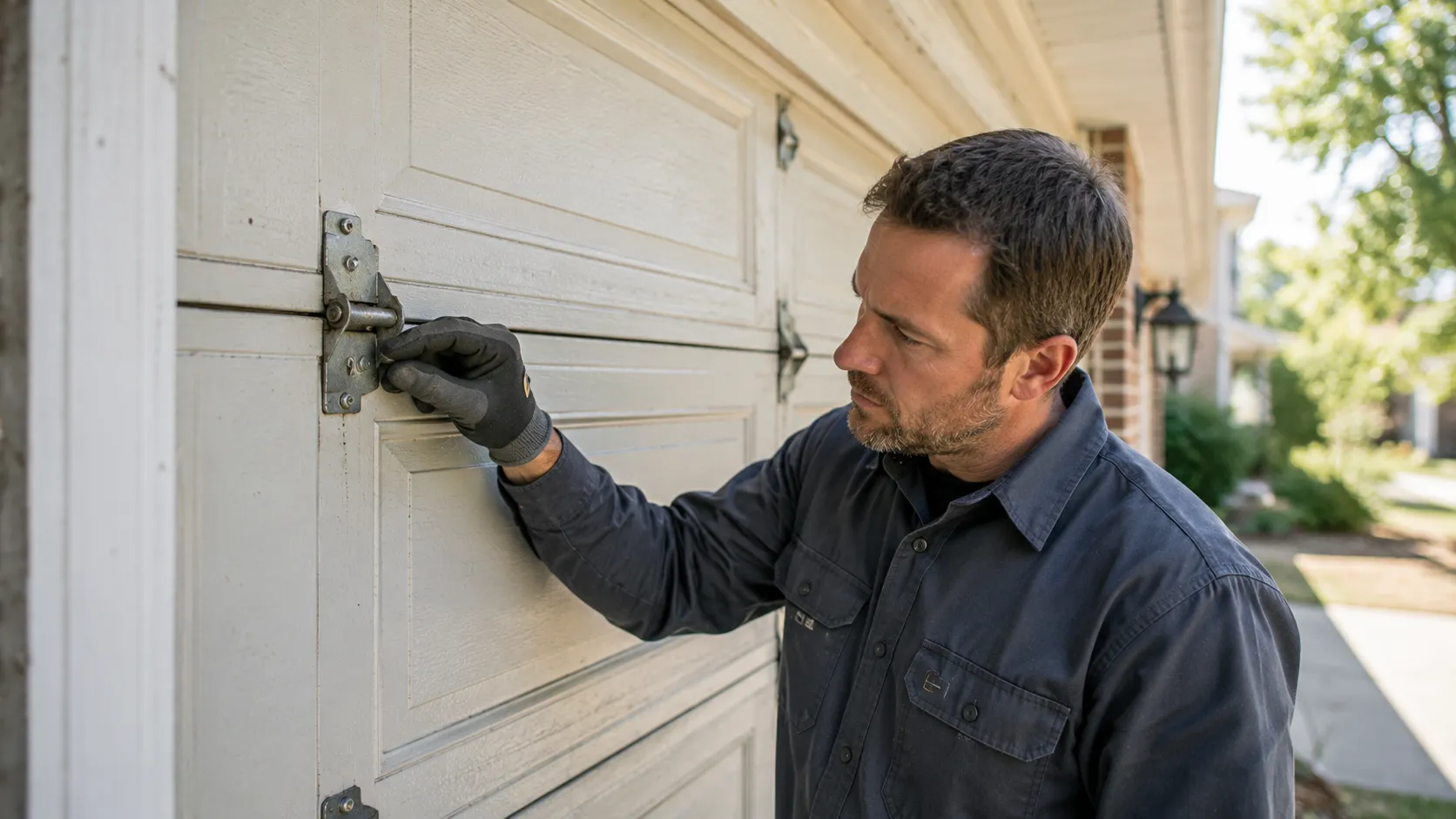
After the bottom seal, check the vinyl or foam strips along the side jambs and the header at the top of the opening. On steel doors from the 1980s and 90s - the most common stock across the 22 named areas in this service area - the seal channel itself is often bent or pulled loose where the door has been opened and closed for decades. Run your hand along the seam on a cold morning. If you feel air moving, the seal isn't doing its job anymore.
Look at the panels too, not just the rubber. A warped panel won't hold a seal flat no matter how new the strip is. If the door itself is bowed, replacing the seal buys you a season, not a fix. That's the honest limit here - a seal only works if the door it's attached to is still straight.
The area
What the Weather Here Does to It
Aurora sits in a cold climate band the federal data marks as severe, which means the seals on your door aren't dealing with one hard freeze a year - they're cycling through freeze and thaw over and over across a long winter. Rubber that flexes fine in October gets brittle by January, and a seal that's already cracked from age snaps or splits outright once temperatures swing.
That cycling is harder on original 1980s and 90s vinyl than on newer synthetic blends, which is relevant here because that's the era most of the housing stock across this service area comes from. Ice is the other half of it. Snowmelt that runs under the door and refreezes overnight can weld a worn bottom seal to the slab, and forcing the opener against that ice strains the seal, the track, and sometimes the opener itself.
Drafts show up first as a cold line along the floor inside the garage, then as frost on the inside of the door itself in the coldest stretches. If you're feeling that draft at the threshold, the seal has already given up - it's not an early warning, it's a sign the job's overdue.
What we find
What You Pay
We don't have a standard number to give you here without seeing the door - the right seal depends on the track type, the door age, and whether the aluminum retainer that holds the seal is still straight or needs replacing along with it. What we can say is that median household income across this service area runs about $92,450, and most seal jobs on a home built in the 1958-2005 range fall well under what a full door replacement would cost.
The honest trade-off is this: a seal replacement on a straight, sound door is a small job. A seal replacement on a warped or badly rusted door from that same era is money spent on a door that needs replacing anyway. We'll tell you which one you've got before we quote anything, not after.
How we work
The Situation
Across the roughly 107,476 households in this service area, about 50,703 are owner-occupied houses, and a large share of them carry garage doors and seals dating to that same 1958-2005 build-out. That's a lot of original rubber sitting in a climate that doesn't forgive it.
We run calls out from Aurora proper through the nearer parts of the service area - Green Valley Ranch about 6 miles to the northwest, Saddle Rock Ridge about 6 miles south, and out toward Watkins and Foxfield to the east. If your door is drafting at the threshold or icing at the bottom rail, that's not cosmetic - it's the seal telling you it's done. Catching it before a hard freeze splits it further is cheaper than catching it after.
Questions
Common questions
How do I know if my garage door seal is actually the problem and not the door itself?
Run your hand along the bottom and sides on a cold day. If air moves through a spot where the rubber looks flat or cracked, that's the seal. If the door itself has a visible bow or gap that shifts as it opens and closes, the panel is warped and a new seal won't fix it - you're looking at a bigger job.
Why does my garage door seal freeze to the floor in winter?
Aurora's winters sit in the severe end of the cold climate band, so snowmelt or slab moisture under the door refreezes overnight. A worn, flattened seal doesn't sit tight enough to keep water out in the first place, which is what lets it freeze to the concrete.
Is it worth replacing the seal on an older door instead of the whole door?
Often yes, if the door and track are straight. A lot of houses in this area date to the 1958-2005 build-out and still have sound steel doors under old seals. If the panels are warped or rusted through, though, a new seal is money spent on a door you'll be replacing soon anyway.
Ready when you are
Need a garage door sorted in Aurora?
Aurora Garage Door Pros repairs and installs garage doors, springs and openers in Aurora, CO and the surrounding area.