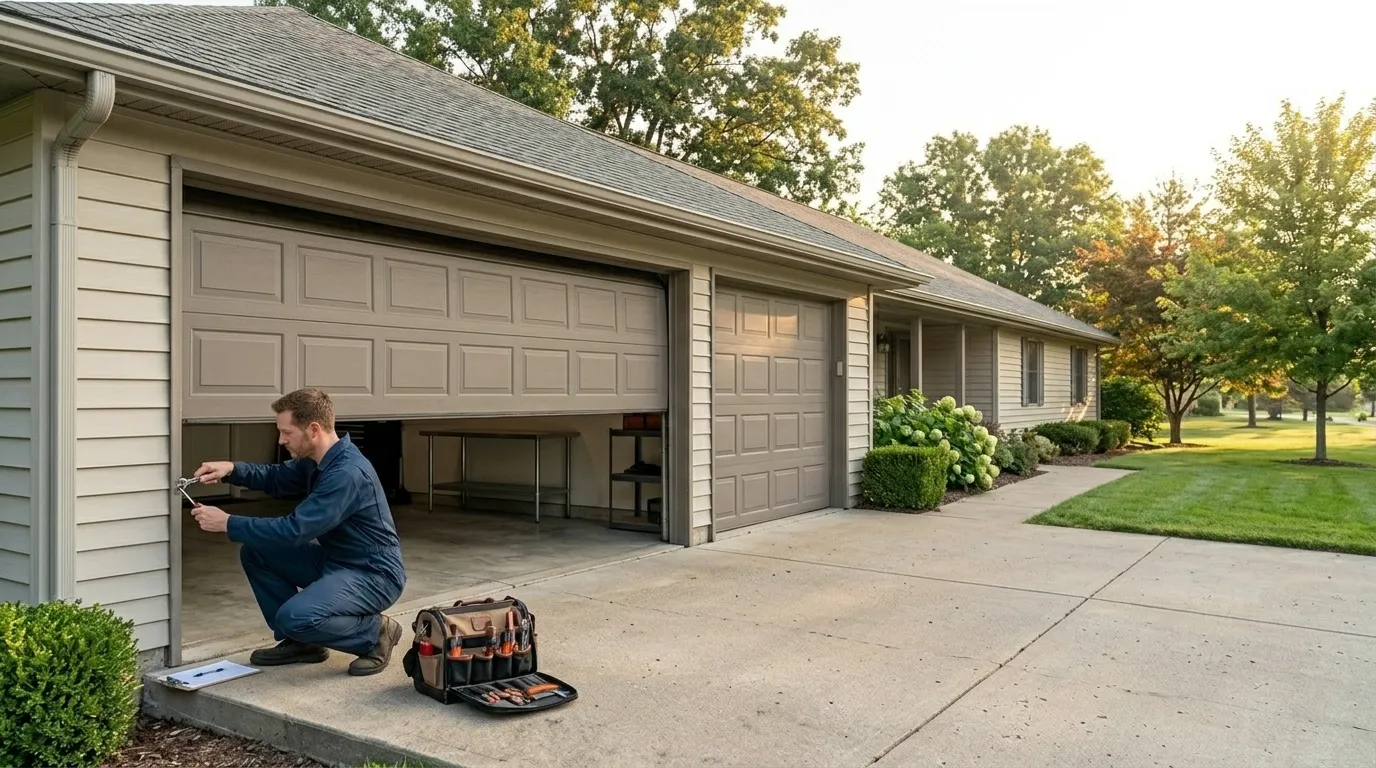
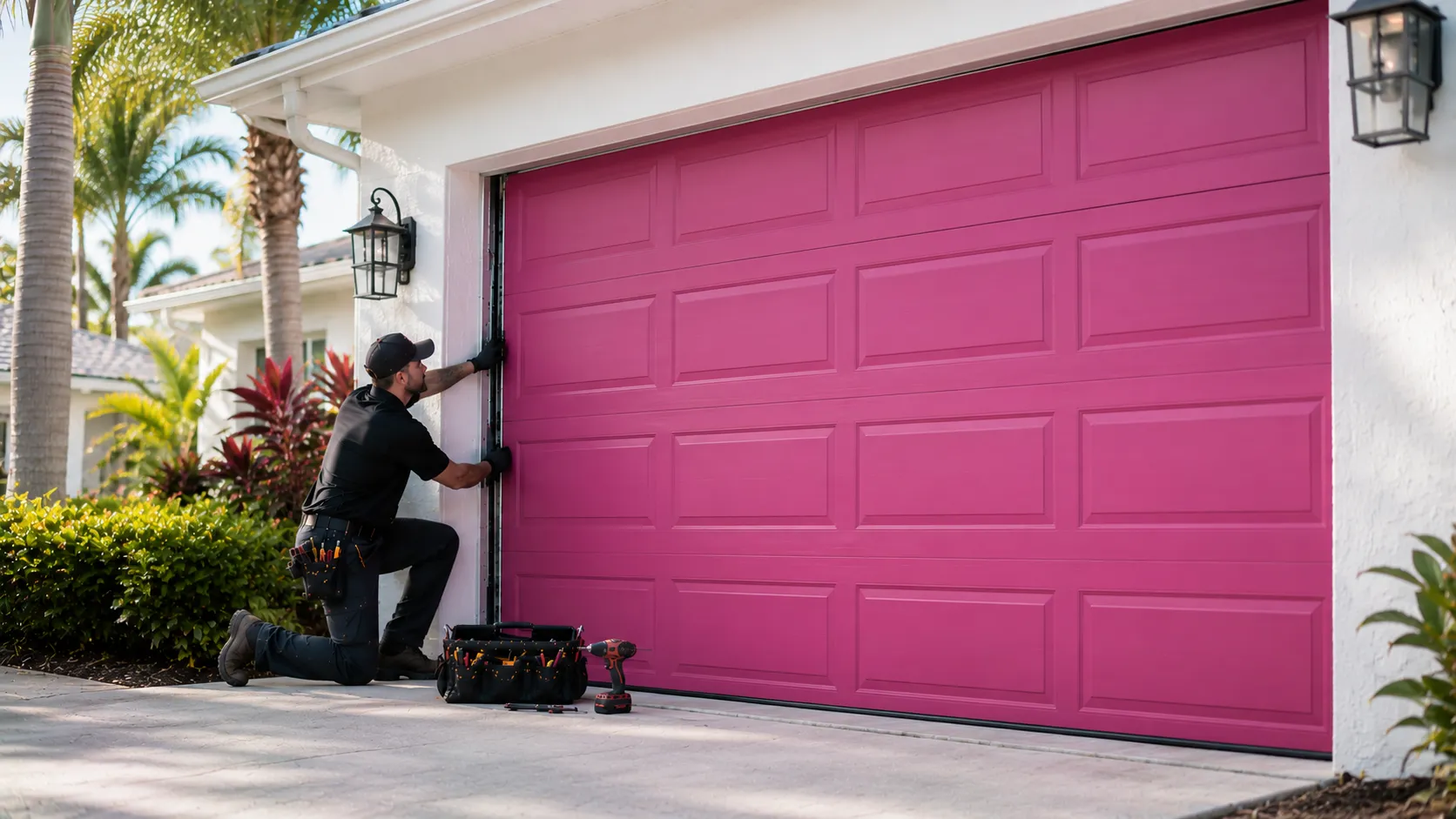
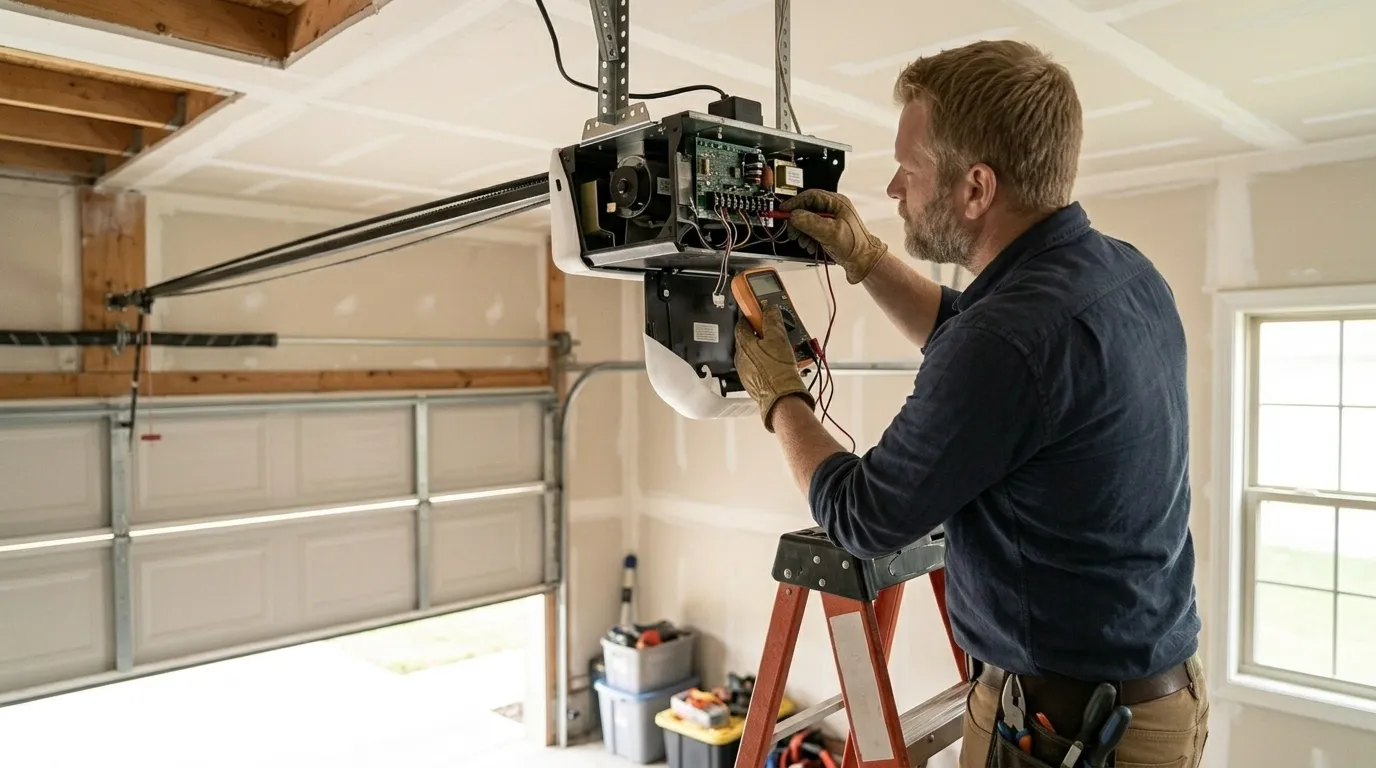
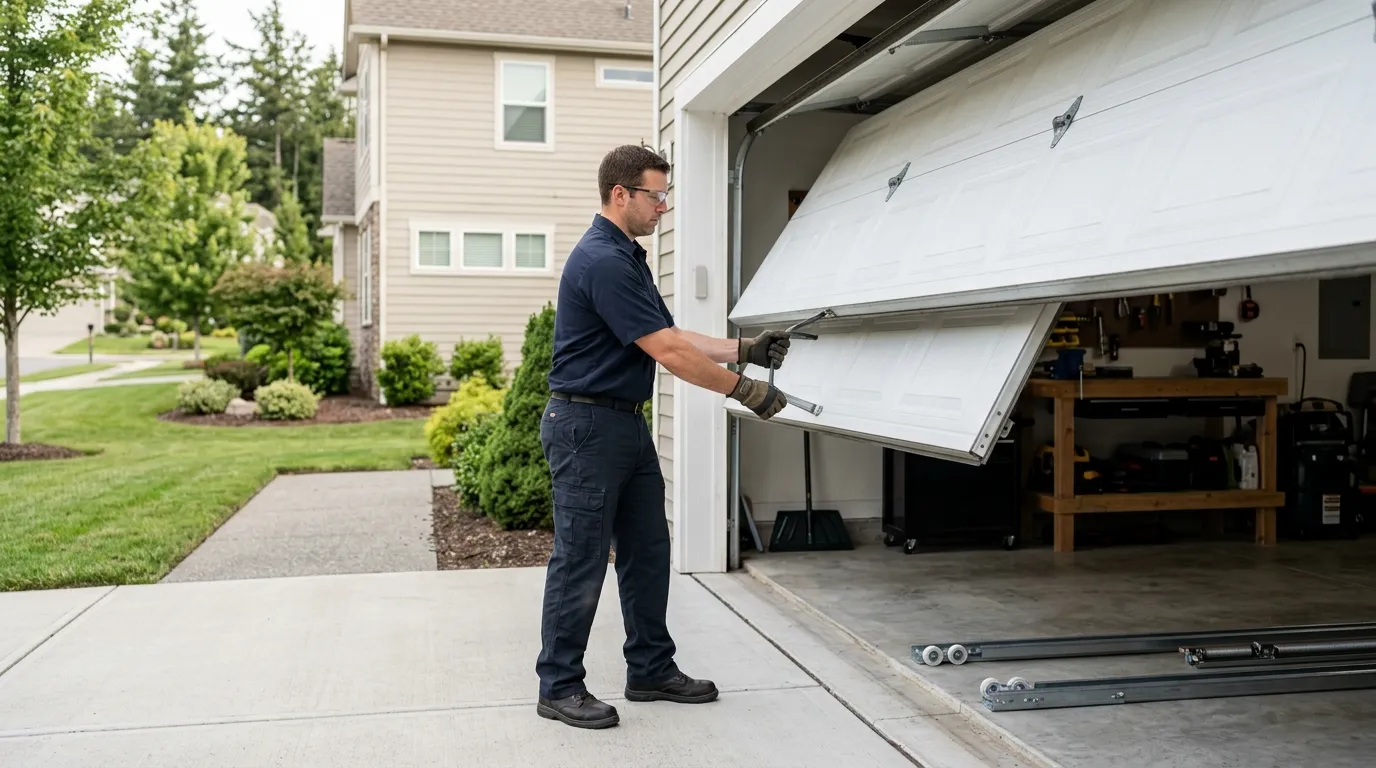
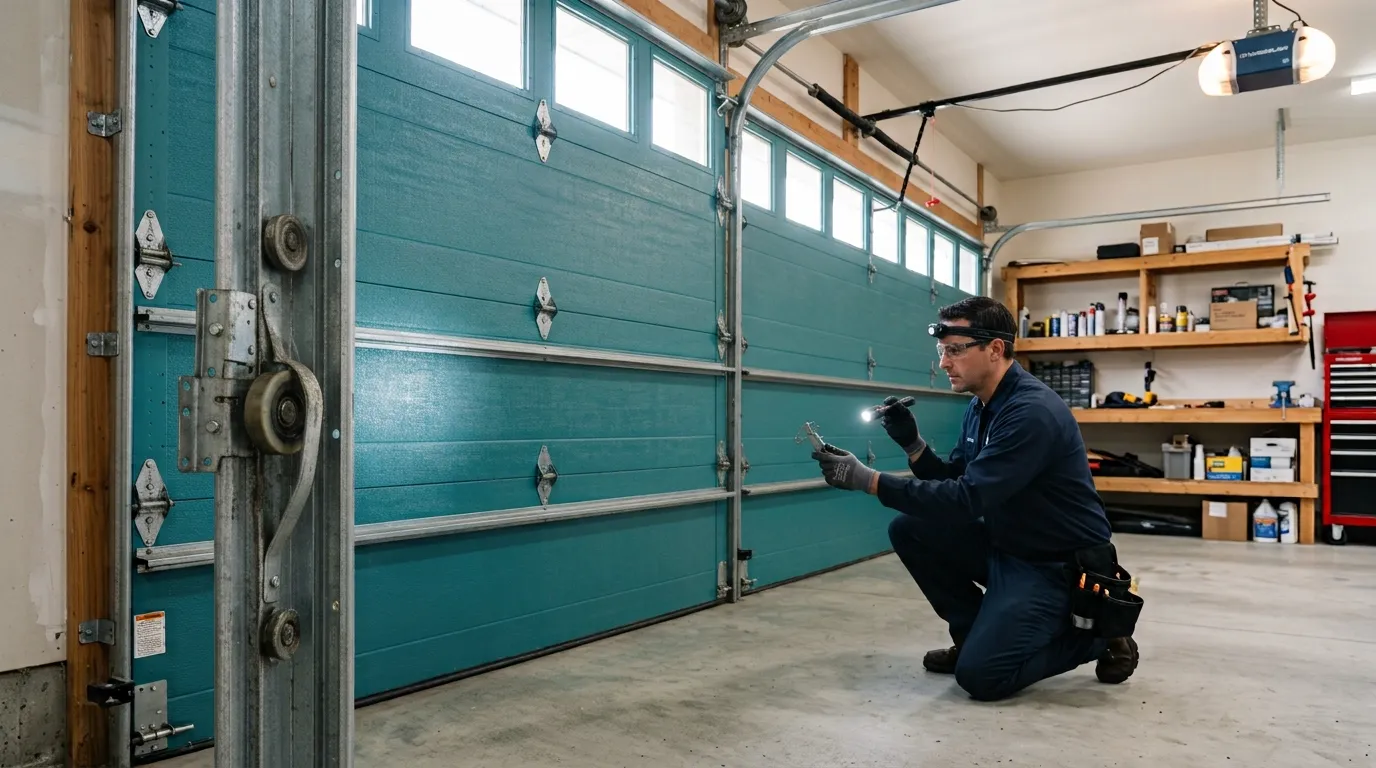
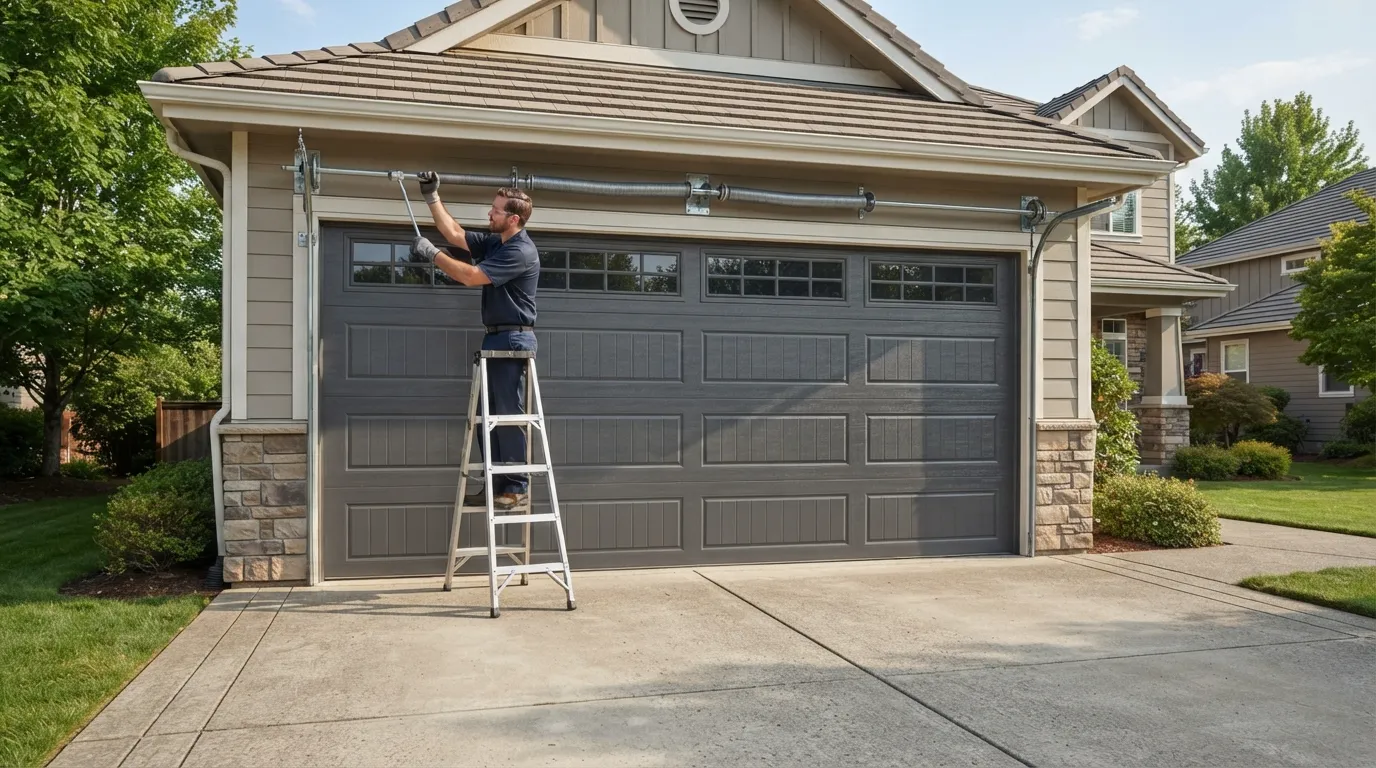
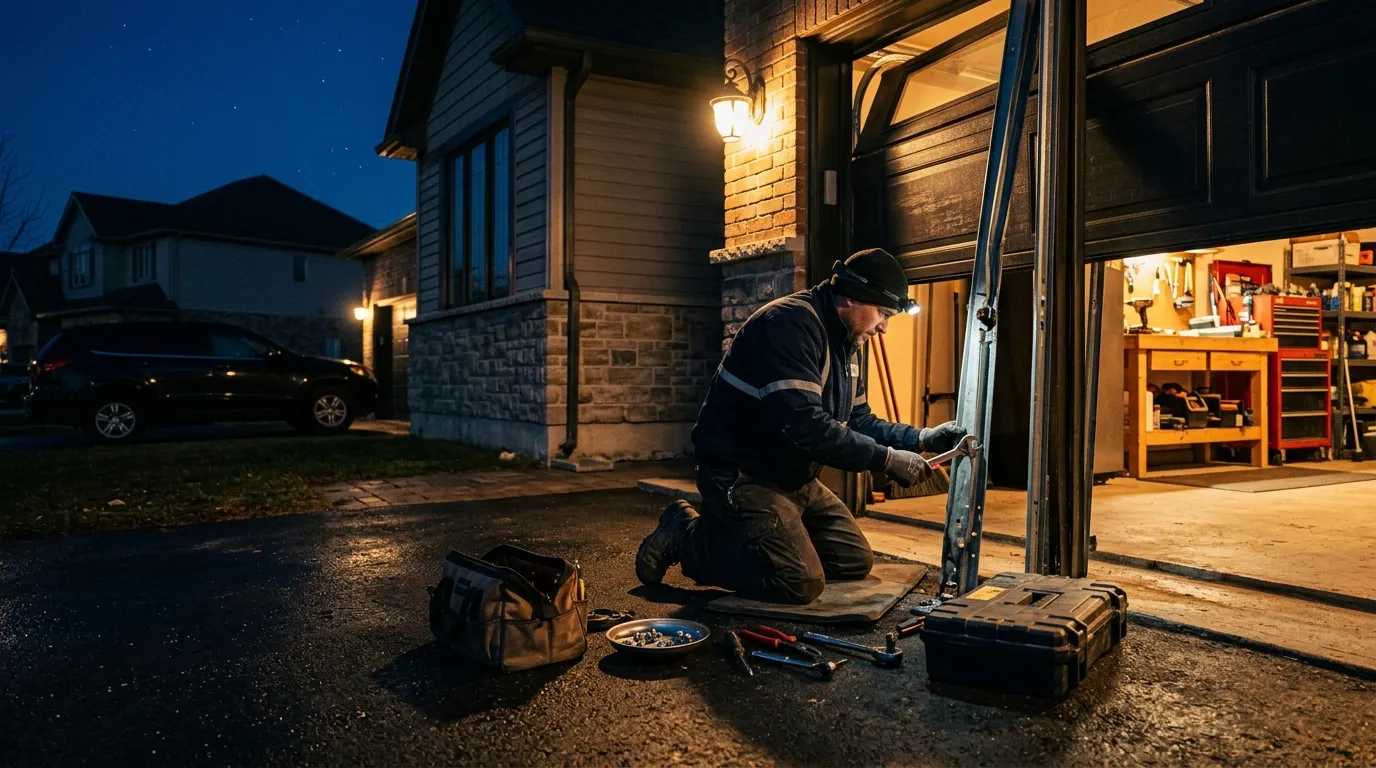
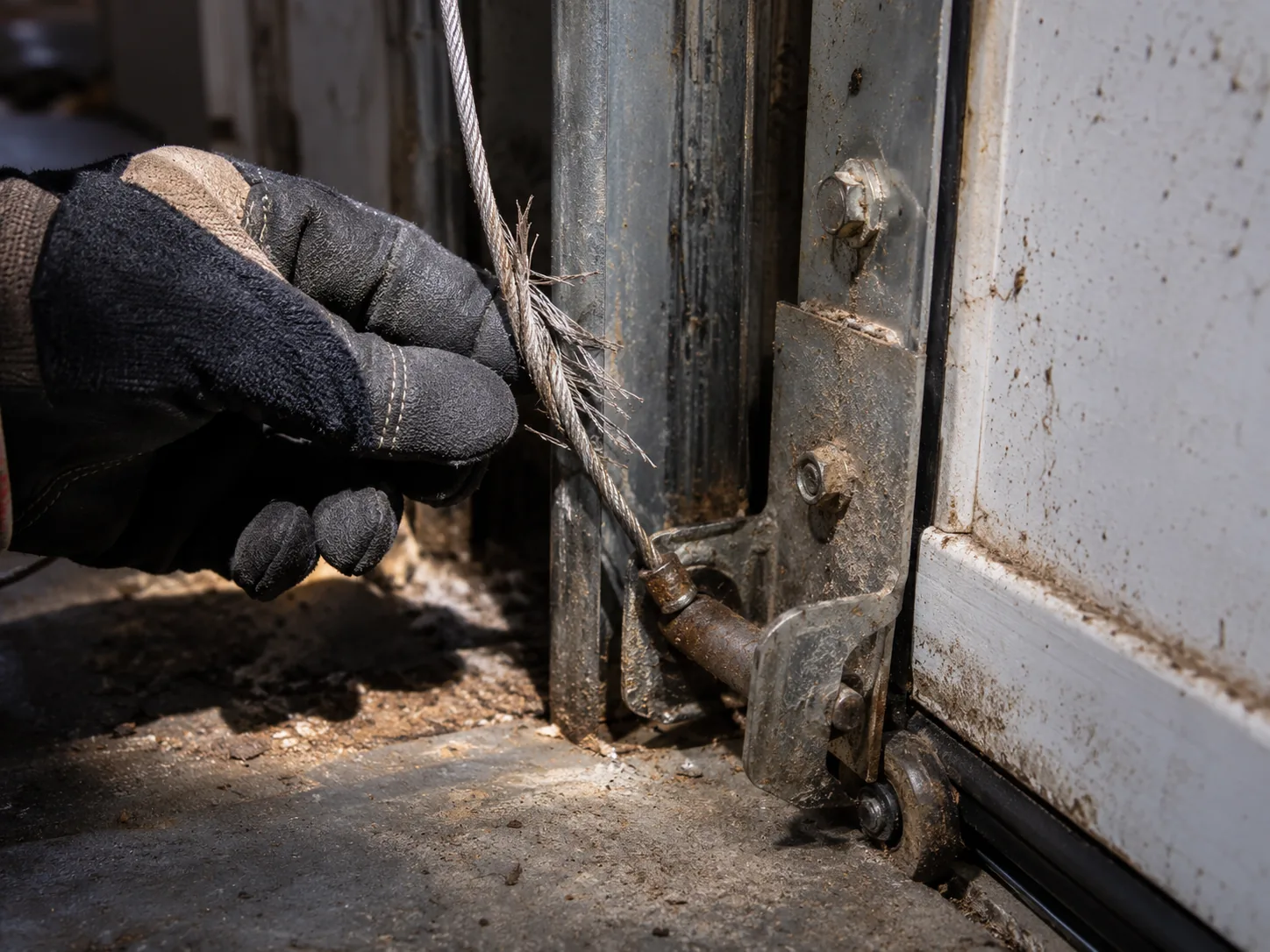
Most of the housing stock we work on in this area went up between 1958 and 2005, with the bulk of it dating to the median year of 1981. That means a large share of the tracks bolted to garage framing are original hardware - steel that's been through four decades of Colorado winters. Track brackets loosen as wood framing dries and shrinks over the years, and once a bracket has even an eighth of an inch of play, the rollers start walking sideways instead of running straight up the track.
This area sits in a cold, severe climate band, which matters more than people think. Galvanized steel track contracts hard in a deep freeze and expands again on the first warm afternoon. That cycle, repeated every winter for forty-plus years on 1980s-era hardware, is what pulls lag screws loose and bends light-gauge track sections at the curve where the horizontal run meets the vertical.
We see this cluster in the neighborhoods built through the 1980s and 90s more than in anything built after 2000, because builders in that window used a thinner track gauge than what's standard on doors installed today. Newer doors on heavier track hold alignment better through the same freeze-thaw stress.