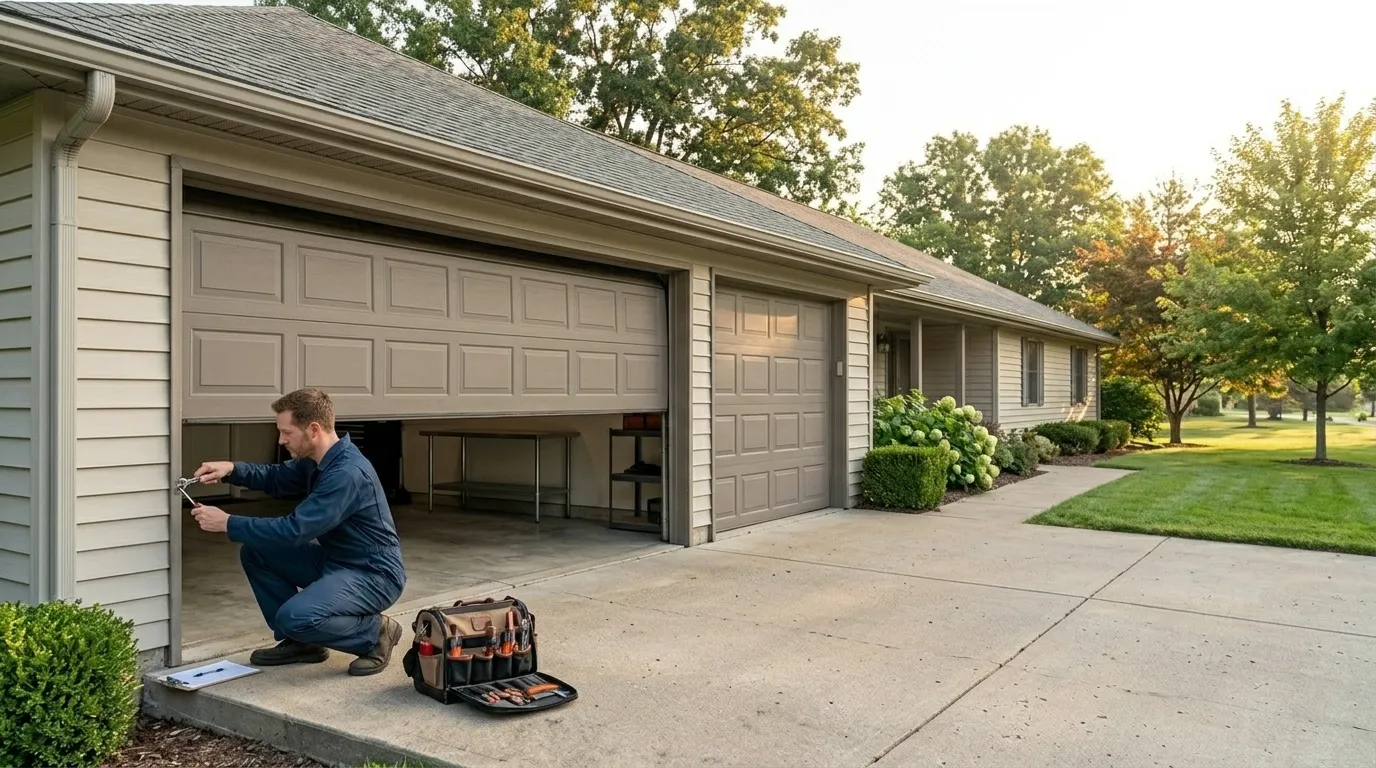
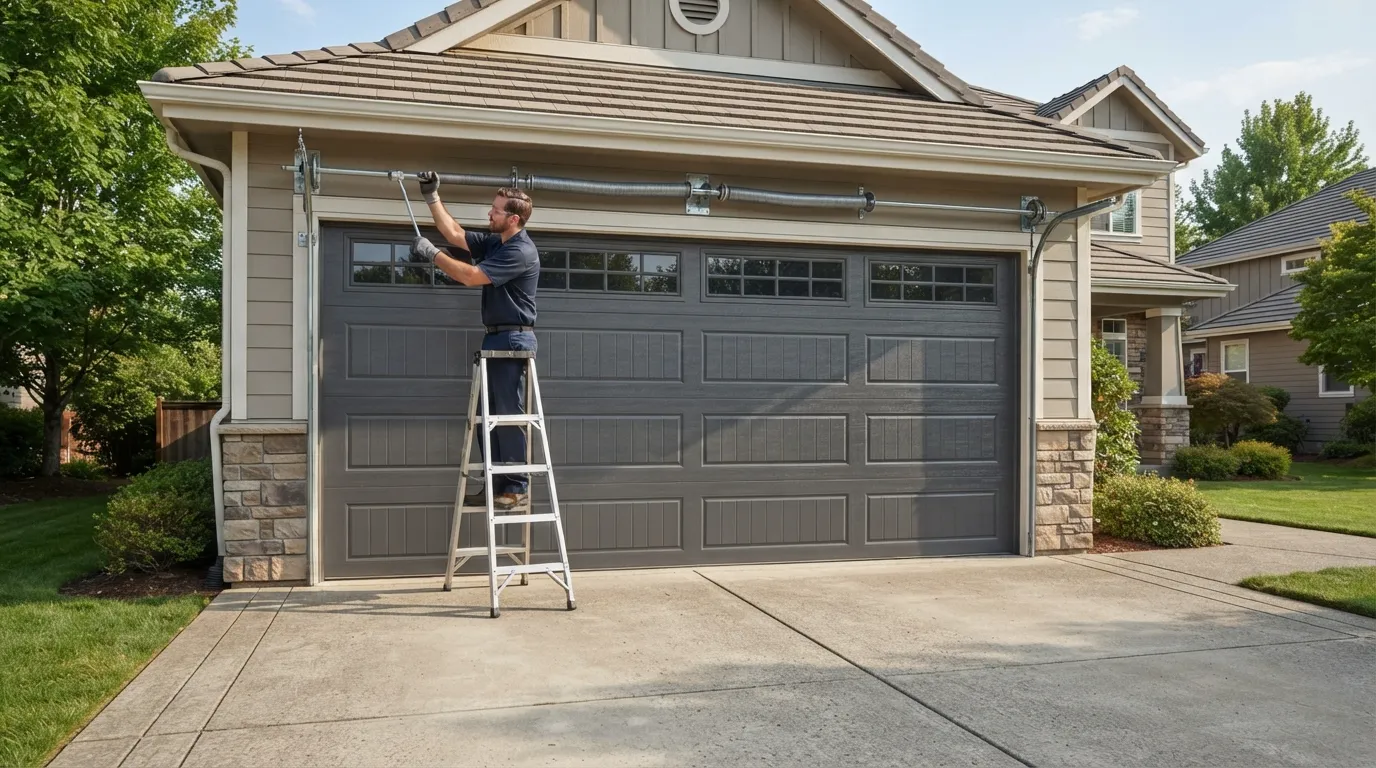
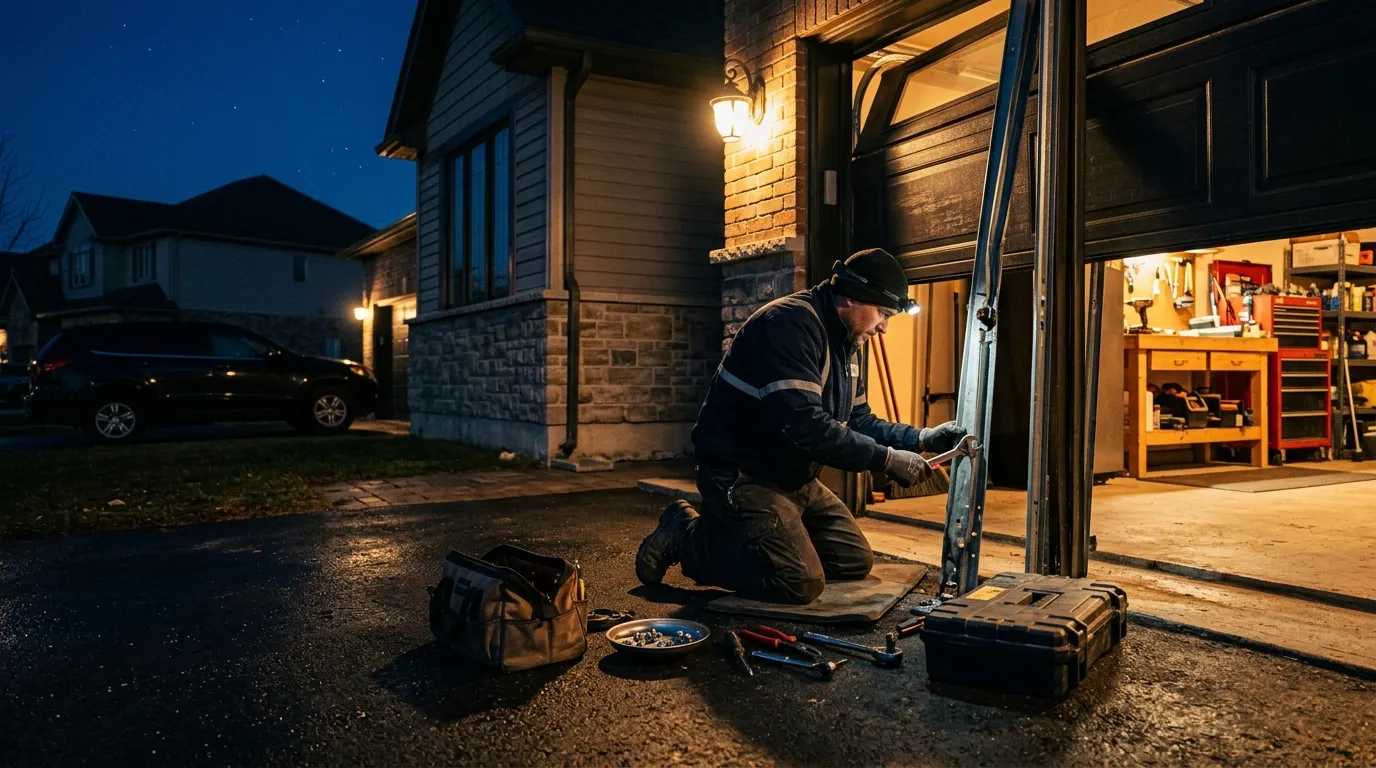
Most of the houses we get called to in this service area went up somewhere between 1958 and 2005, with the median build year landing around 1981. That means a huge share of the doors we replace are original or close to it - steel that's been through four-plus decades of freeze and thaw. Across the 22 named neighborhoods we work in, the bulk of the stock dates to the 1980s and 90s, which is right when a lot of builders were putting in single-layer steel doors with minimal insulation and hardware sized for a lighter, milder climate than what actually shows up here.
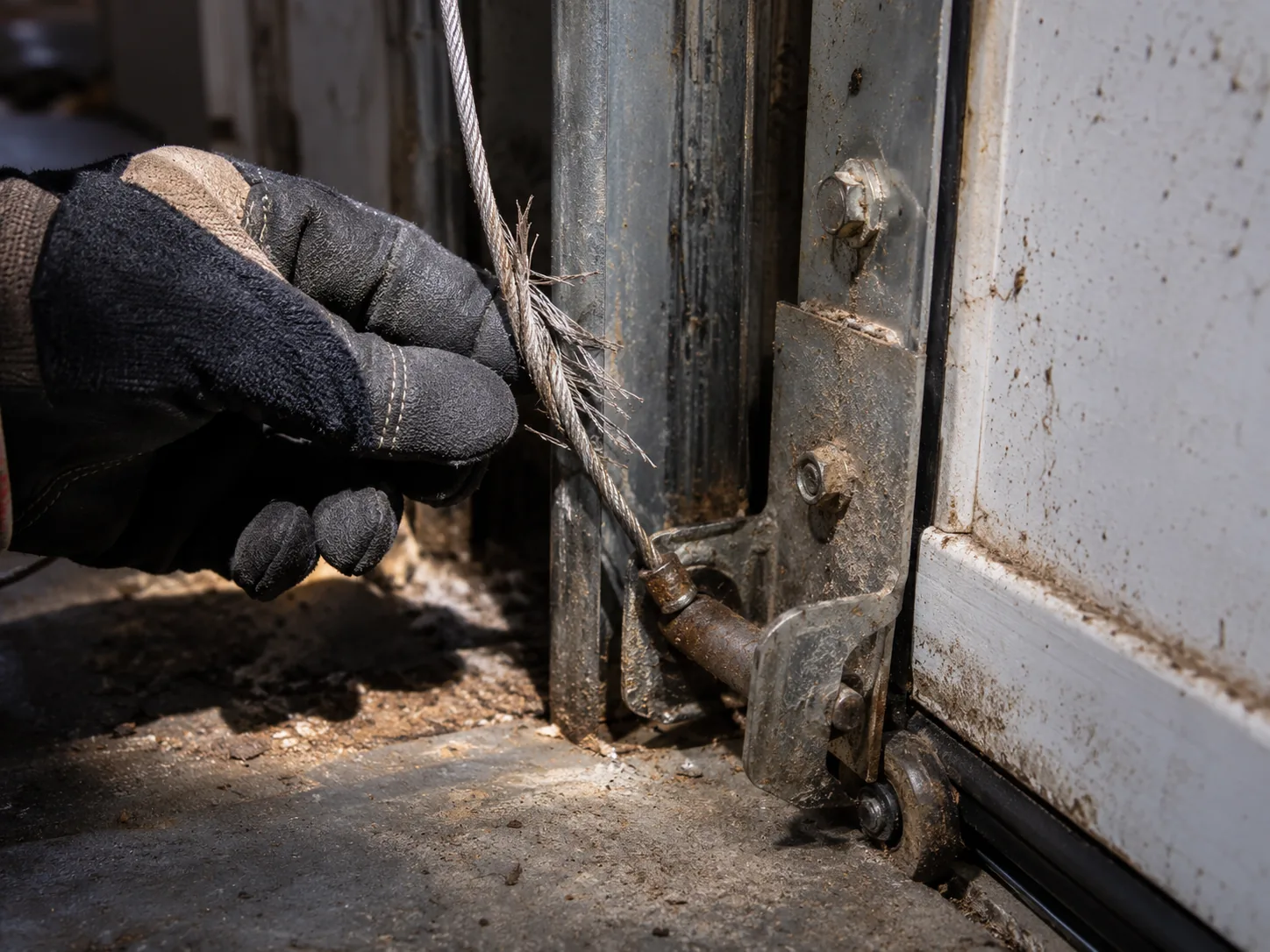
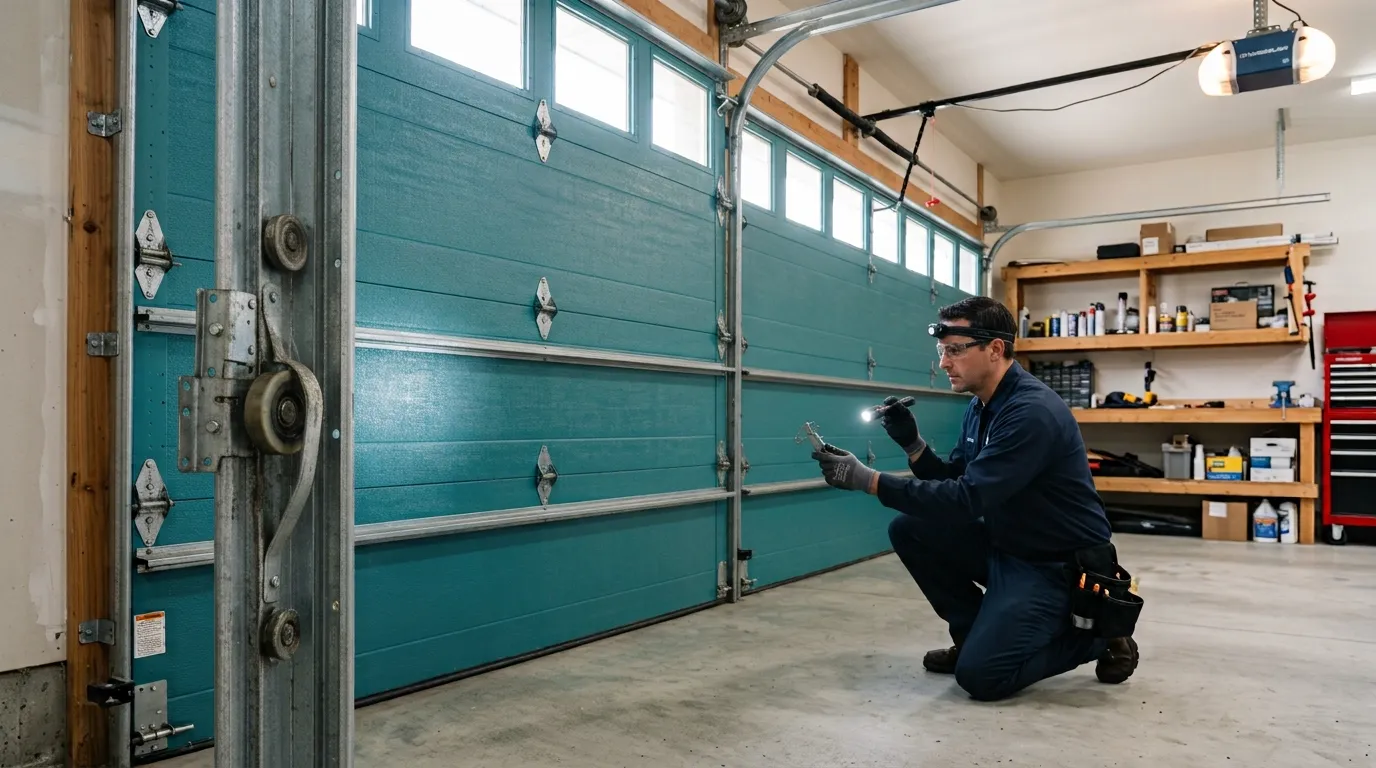
This area sits in a severe cold climate band, and that matters for installation, not just for comfort. Panels without a thermal break flex more in a hard freeze, seams gap, and the door works harder against wind load than it was ever built for. When a 40-year-old door finally gives out - a bowed panel, a track pulled from the framing, an opener straining against warped steel - it's rarely one bad part. It's the whole assembly reaching the end of what its era of construction was designed to handle.
We're not saying every old door is a lost cause. Plenty of 1980s doors are still structurally fine and just need new rollers or a spring. But when the panel steel itself is failing, patching it usually costs more over time than putting in a door built for current cold-climate specs.